3210 Wilkinson Blvd, Ste. B-2, Charlotte, NC 28208
Is Your Bite a Match for Invisalign, or Do You Need Braces

If you’ve been thinking about straightening your teeth, you’ve probably asked yourself: is your bite a match for Invisalign, or do you need braces in Charlotte? It’s one of the most common questions Dr. Raj Dolia hears at Urban Family Dental. The answer depends on the type and severity of your bite issues. This article will help you understand what Invisalign can fix, where it falls short, and when traditional braces make more sense.
What Makes Someone a Good Invisalign Candidate in Charlotte
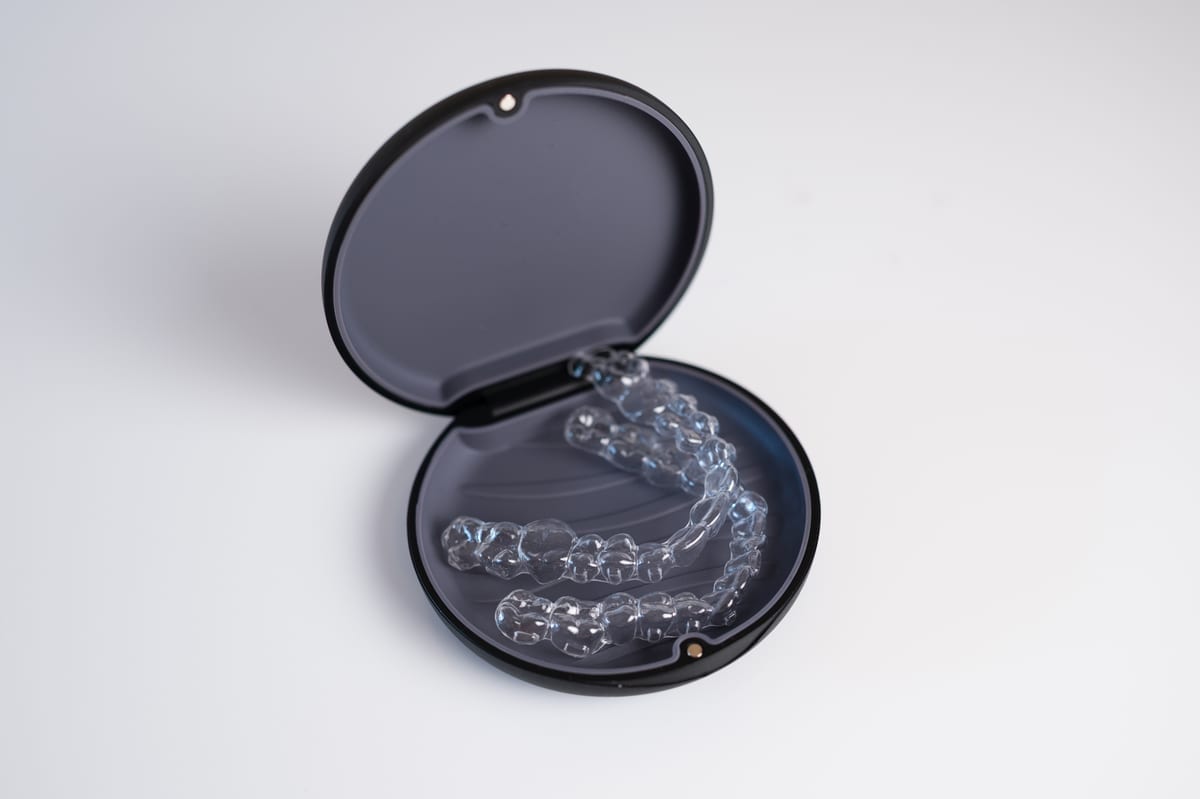
Invisalign uses a series of clear, removable aligners to shift your teeth gradually. It works well for a wide range of mild to moderate alignment problems. Charlotte patients who are disciplined about wearing their aligners for 20–22 hours a day tend to see excellent results. Adult patients and older teens are typically the best candidates.
Invisalign can effectively treat several common conditions. These include:
- Mild to moderate crowding
- Small gaps between teeth
- Minor overbites
- Mild underbites
- Crossbites that don’t involve significant jaw misalignment
- Open bites with limited skeletal involvement
If your bite issues fall into these categories, you may be an excellent candidate. A consultation with Dr. Dolia will confirm whether clear aligners are right for your specific situation.
What Invisalign Cannot Fix — And Why It Matters
Invisalign is a powerful tool, but it has real limitations. Severe bite problems often require the stronger, more consistent force that traditional braces provide. Understanding these limits helps you make a smarter treatment decision.
Invisalign is generally not recommended for:
- Severe overcrowding that requires significant tooth movement
- Large overbites or underbites caused by jaw misalignment
- Significant rotations, especially of back teeth
- Teeth that are very short or oddly shaped (aligners won’t grip well)
- Complex cases needing combined orthodontic and surgical treatment
Attempting Invisalign when braces are truly needed can lead to poor results. It may also extend your overall treatment time. Being honest with your provider about your goals and concerns makes all the difference.
Crowding, Spacing, and Bite Issues — A Closer Look
Let’s break down the most common bite problems and how each responds to Invisalign treatment.
Crowding happens when there isn’t enough space in your jaw for all your teeth. Mild crowding responds well to Invisalign. Moderate crowding can sometimes be treated with attachments — small tooth-colored buttons bonded to your teeth. Severe crowding usually calls for traditional braces or even tooth extraction before treatment.
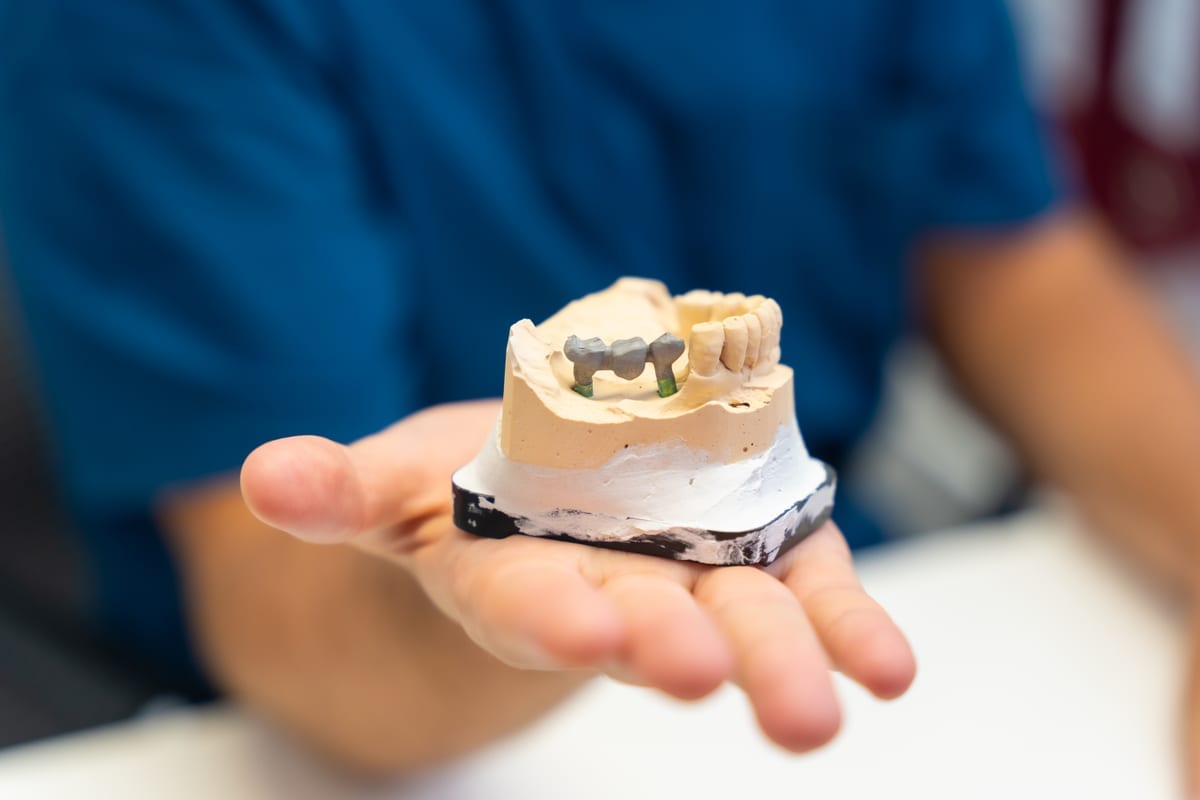
Spacing issues like gaps between teeth are among the easiest problems for Invisalign to correct. These cases tend to move quickly and predictably. Gaps caused by missing teeth, however, are a different matter and may need Cosmetic Dentistry Charlotte solutions like implants or veneers.
Overbites occur when your upper teeth overlap your lower teeth too much. Mild overbites are treatable with Invisalign using special elastics and attachments. Severe overbites tied to jaw structure often require braces or oral surgery for correction.
Underbites happen when the lower jaw protrudes beyond the upper. Mild underbites may respond to Invisalign. More significant underbites — especially those stemming from skeletal growth — typically need braces combined with other interventions.
When Traditional Braces Are the Better Choice in Charlotte
Traditional braces use metal brackets and wires to apply continuous pressure to your teeth. They are more precise for complex movements and severe misalignments. Your orthodontist or general dentist has greater control over the direction and force of each tooth’s movement.
Braces tend to work better for patients who:
- Have severe crowding or spacing
- Need significant rotation of multiple teeth
- Have a pronounced overbite or underbite
- Struggle with compliance (braces are fixed, so there’s no removing them)
- Are younger teens whose jaws are still developing
Braces are not without their own trade-offs. They are more visible, can be uncomfortable after adjustments, and require careful cleaning around brackets and wires. But for complex cases, they deliver results that clear aligners simply cannot match.
If you experience a dental emergency during orthodontic treatment, our team also offers Emergency Dentistry Charlotte services to keep your care on track.
How Dr. Raj Dolia Evaluates Your Bite at Urban Family Dental
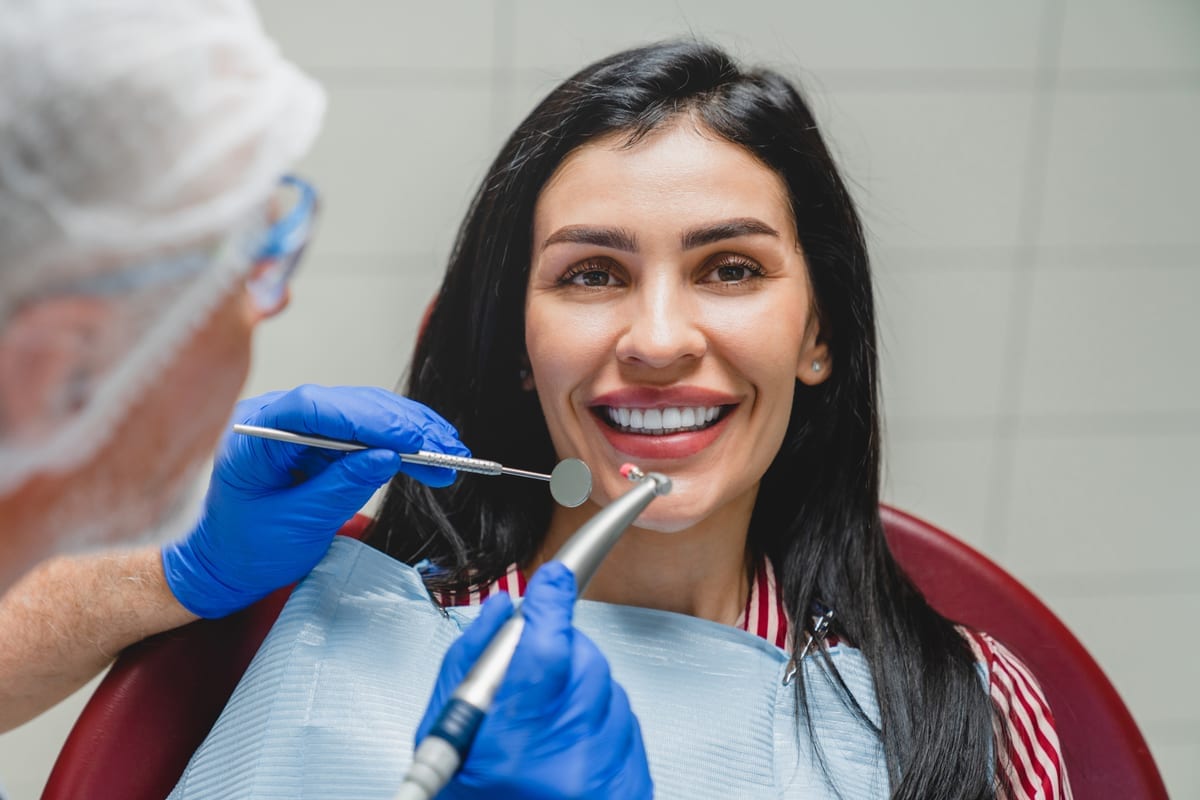
At Urban Family Dental, Dr. Dolia takes a thorough, evidence-based approach to evaluating bite candidacy. Your exam includes a full clinical assessment of your teeth, gums, and jaw alignment. Digital X-rays and impressions or 3D scans help map your bite in detail. This data guides the recommendation — Invisalign, braces, or another treatment path entirely.
Dr. Dolia will explain every finding in plain language. He believes patients make better decisions when they fully understand their options. There’s no pressure to choose one treatment over another. The goal is always the outcome that works best for your mouth, your lifestyle, and your long-term oral health.
It’s also worth noting that orthodontic treatment doesn’t exist in a vacuum. If you have untreated decay, gum disease, or other concerns, those issues need to be resolved first. Urban Family Dental offers comprehensive general dentistry services to get your mouth fully healthy before any alignment treatment begins.
Making the Right Decision for Your Smile in Charlotte
Whether Invisalign or braces is right for you comes down to one thing: your individual bite. No two mouths are the same. What worked beautifully for a friend or family member may not be the right path for you. That’s why a professional evaluation is essential before committing to any treatment.
Dr. Raj Dolia and the team at Urban Family Dental are here to guide Charlotte patients through every step of the process. From your initial bite assessment to your final result, you’ll receive honest, personalized guidance. You deserve a treatment plan built around your actual needs — not a one-size-fits-all approach.
Ready to find out which path is right for your smile? Book Now to schedule your appointment with our team.
Frequently Asked Questions
Can Invisalign fix a significant overbite?
Invisalign can correct mild to moderate overbites, especially when they are dental in nature rather than skeletal. If your overbite is caused by a significant jaw misalignment, traditional braces or a combination of braces and surgery may be needed. Dr. Dolia will assess your specific bite during your consultation to determine the right approach.
How do I know if my crowding is too severe for Invisalign?
Mild to moderate crowding typically responds well to Invisalign, especially when aided by tooth-colored attachments. Severe crowding — where multiple teeth are significantly overlapping — often requires the stronger, more directional force of traditional braces. A clinical exam and digital X-rays at Urban Family Dental will give you a clear answer.
Is Invisalign suitable for teenagers?
Older teenagers can be good Invisalign candidates, provided they are disciplined about wearing their aligners consistently. Younger teens whose jaws are still growing may be better served by traditional braces. Dr. Dolia evaluates each young patient individually to recommend the most effective treatment.
What happens if I stop wearing my Invisalign aligners regularly?
Invisalign requires 20–22 hours of wear per day to work effectively. Removing aligners too often slows progress and can cause teeth to shift back toward their original positions. If compliance is a concern, traditional braces — which are fixed in place — may be a more reliable choice for your treatment.
Do I need to fix other dental issues before starting Invisalign or braces?
Yes. Active tooth decay, gum disease, or other oral health problems need to be treated before orthodontic treatment begins. Moving teeth in an unhealthy mouth can worsen existing conditions. Urban Family Dental provides comprehensive general dentistry care to ensure your mouth is healthy and ready for alignment treatment.
By Urban Family Dental

New patients and emergency appointments welcome