3210 Wilkinson Blvd, Ste. B-2, Charlotte, NC 28208
Dental Crowns Last 15 Years—What Destroys Them Faster

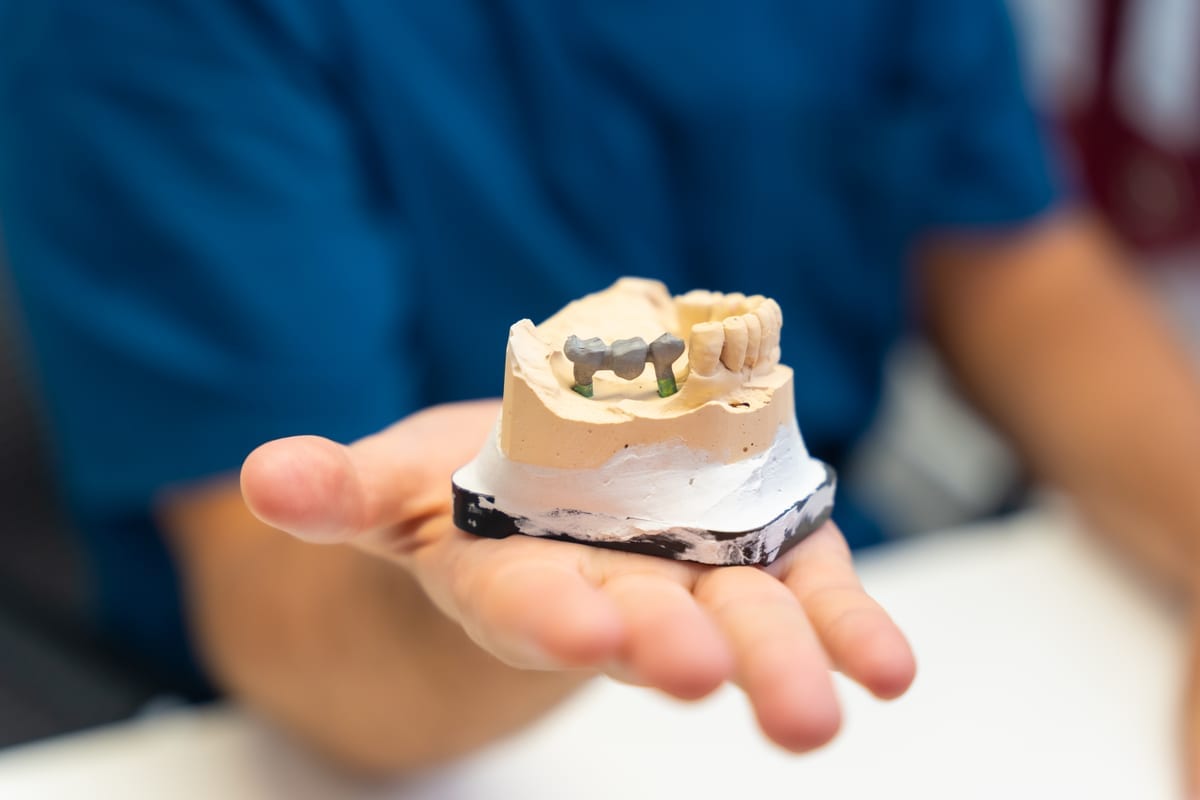
Most patients are surprised to learn that dental crowns last 15 years on average. Some last even longer with the right care. But in our Charlotte practice, Dr. Raj Dolia sees crowns fail much sooner than they should. Understanding what destroys them faster helps you protect your investment and avoid unexpected dental visits. This guide covers crown lifespan, the biggest threats to longevity, and the warning signs that your crown may need replacing.
How Long Do Dental Crowns Really Last in Charlotte?
The 15-year benchmark is widely accepted among dental professionals. However, that number assumes proper care and no harmful habits. Porcelain crowns typically last 10 to 15 years. Metal and porcelain-fused-to-metal crowns can last 15 to 20 years or more.
Your crown’s lifespan depends on several personal factors. These include your bite, your daily habits, and how consistently you attend checkups. Charlotte patients who grind their teeth or skip cleanings often see crowns fail in under ten years. Knowing your risk factors is the first step toward getting the most out of your restoration.
What Destroys Dental Crowns Faster — Top Threats to Watch
Several common habits and conditions accelerate crown wear significantly. Many patients don’t realize these factors are eroding their crown every single day. Here are the most damaging threats Dr. Dolia sees in Charlotte patients:
- Teeth grinding (bruxism): Nighttime grinding puts enormous pressure on crowns. It chips porcelain and loosens cement bonds over time.
- Hard foods: Ice, hard candies, popcorn kernels, and crusty bread can crack or dislodge crowns.
- Poor oral hygiene: Bacteria accumulate at the crown margin. This leads to decay in the underlying tooth, which destroys the crown’s foundation.
- Nail biting and chewing on pens: These habits apply repeated stress to one area of the crown.
- Sugary and acidic drinks: These erode the cement that holds your crown in place.
- Skipping dental checkups: Small problems go undetected and become major failures without routine monitoring.
Bruxism is particularly common among Charlotte professionals dealing with work stress. If you grind at night, Dr. Dolia may recommend a custom nightguard. This simple device can add years to your crown’s life.
Poor Hygiene Habits That Shorten Crown Lifespan
A crown itself cannot decay. But the tooth underneath it absolutely can. This is one of the most misunderstood facts about dental crowns. Many patients assume a crowned tooth is fully protected.
Bacteria collect at the gumline where the crown meets the natural tooth. Without brushing twice daily and flossing once a day, decay forms at that margin. Once decay reaches the tooth structure beneath, the crown loses its stable base. At that point, replacement becomes unavoidable.
Proper hygiene around a crown follows the same rules as natural teeth. Use a soft-bristled toothbrush and non-abrasive toothpaste. Floss gently along the sides of the crown each evening. An antibacterial mouthwash adds an extra layer of protection at the gumline.
Warning Signs Your Crown Needs Replacing
Crowns don’t always announce their failure dramatically. Sometimes the signs are subtle and easy to dismiss. Recognizing these early signals can save you from more complex treatment later. Here is what to watch for:
- Sensitivity to hot or cold: This may indicate the crown has shifted or decay has formed underneath.
- Pain when biting: A loose crown or a cracked underlying tooth can cause biting discomfort.
- Visible cracks or chips: Porcelain can fracture, especially after grinding or hard food impact.
- Gum recession around the crown: Exposed margins invite bacteria and increase decay risk significantly.
- A dark line at the gumline: This often signals the metal base of an older crown becoming visible.
- A loose or wobbly feeling: The cement bond may have broken down over time.
If you notice any of these signs, don’t wait for your next scheduled visit. Contact Urban Family Dental promptly. Early intervention protects the underlying tooth and often avoids more extensive work. In some cases, a damaged crown can become a dental emergency requiring same-day attention from our Emergency Dentistry Charlotte team.
What Happens When a Crown Fails — Your Replacement Options
A failed crown doesn’t always mean losing the tooth. The right next step depends on the condition of the tooth underneath. Dr. Dolia evaluates each case individually before recommending a solution. Here are the most common paths forward:
If the underlying tooth is still healthy, a new crown is placed over it. This is the simplest and most common outcome. The procedure follows the same steps as your original crown placement. Most patients complete it in two visits.
If significant decay has compromised the root, extraction may be necessary. After extraction, a dental implant or bridge restores function and appearance. These options are part of our broader Cosmetic Dentistry Charlotte services, which focus on both aesthetics and long-term oral health.
Prevention is always the better path. Regular checkups at Urban Family Dental catch crown problems before they escalate. Dr. Dolia examines existing crowns at every visit to monitor fit, seal, and structural integrity.
How to Make Your Dental Crown Last as Long as Possible
Getting 15 years or more from your crown is absolutely achievable. It requires consistent habits and regular professional care. Think of it as maintaining any long-term investment. The effort you put in directly determines the return you get.
Start with twice-daily brushing and daily flossing. Attend your six-month cleanings without skipping. Avoid chewing ice, hard nuts, or any object that isn’t food. If you know you grind at night, wear your nightguard every single night without exception.
Stay hydrated throughout the day. Dry mouth allows bacteria to thrive and weakens the cement under your crown. Limit sugary beverages and rinse with water after acidic drinks. These small habits compound over years and dramatically extend crown longevity.
Frequently Asked Questions
How long do dental crowns last on average?
Most dental crowns last between 10 and 15 years with proper care. Metal crowns tend to last longer than porcelain ones. Your personal habits, oral hygiene, and bite strength all influence how long your specific crown will last.
Can teeth grinding really destroy a crown faster?
Yes, absolutely. Bruxism applies intense repetitive pressure to crowns, especially at night. This can chip porcelain, break the cement seal, or crack the crown itself. A custom nightguard is one of the best investments you can make to protect your crown.
Does the tooth under a crown still need brushing and flossing?
Yes, without question. The crown itself cannot decay, but the natural tooth beneath it can. Bacteria accumulate at the crown margin and can cause serious decay underneath the restoration. Brushing and flossing around your crown is just as important as caring for your natural teeth.
What are the signs that a dental crown needs to be replaced?
Common signs include sensitivity to temperature, pain when biting, visible cracks, a loose feeling, gum recession around the crown, or a dark line appearing at the gumline. If you notice any of these symptoms, schedule an evaluation as soon as possible.
What happens if I ignore a failing crown?
Ignoring a failing crown allows decay and bacteria to reach the underlying tooth. This can lead to infection, tooth loss, or the need for more complex procedures like root canals or extractions. Addressing crown problems early almost always leads to simpler, less costly treatment.
At Urban Family Dental, Dr. Raj Dolia and our team are committed to helping Charlotte patients get the most out of every restoration. Whether you have concerns about an existing crown or want a professional evaluation, we’re here to guide you. Book Now to schedule your appointment with our team.
By Urban Family Dental

New patients and emergency appointments welcome