3210 Wilkinson Blvd, Ste. B-2, Charlotte, NC 28208

Inside Your Dental Bridge Procedure: What Happens at Each Stage

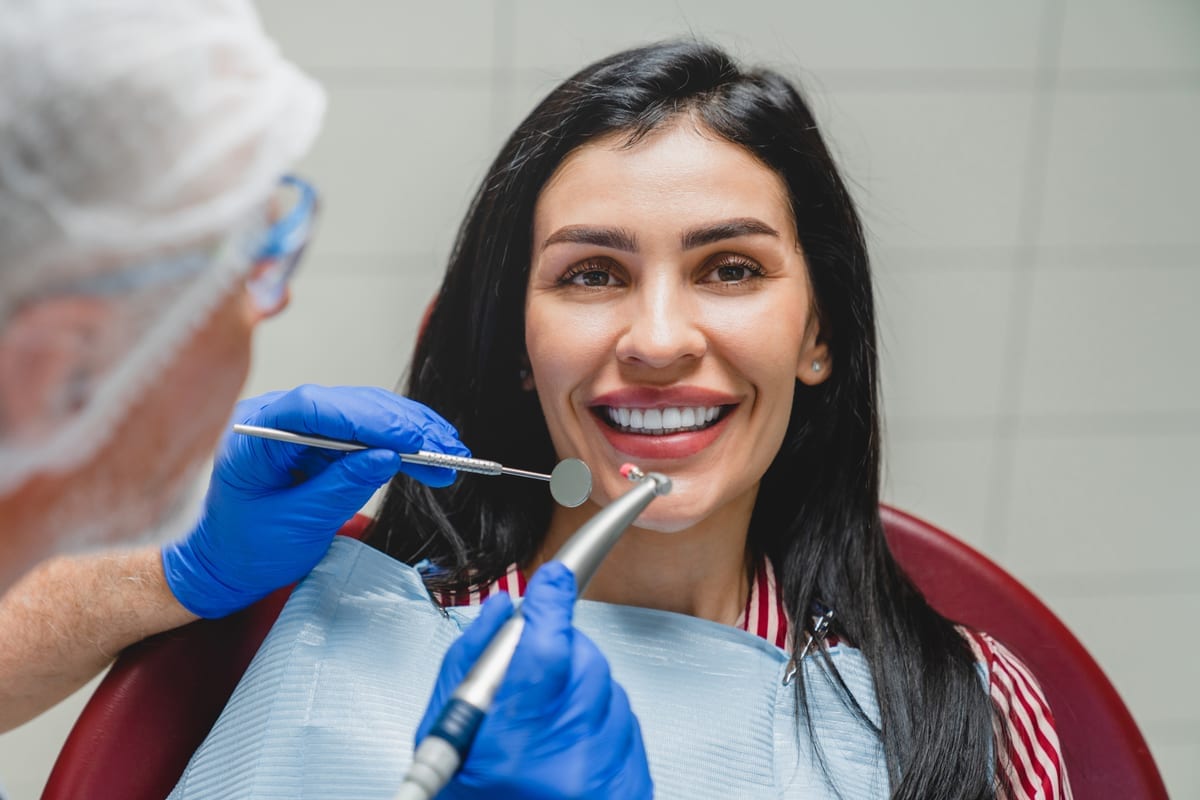
If you are missing one or more teeth, a dental bridge can restore your smile and your confidence. Understanding inside your dental bridge procedure — what happens at each stage in Charlotte — helps you feel prepared and calm before your first appointment. At Urban Family Dental, Dr. Raj Dolia guides every patient through the process with clear explanations and genuine care. This article breaks down each step so you know exactly what to expect.
What Is a Dental Bridge and Who Needs One?
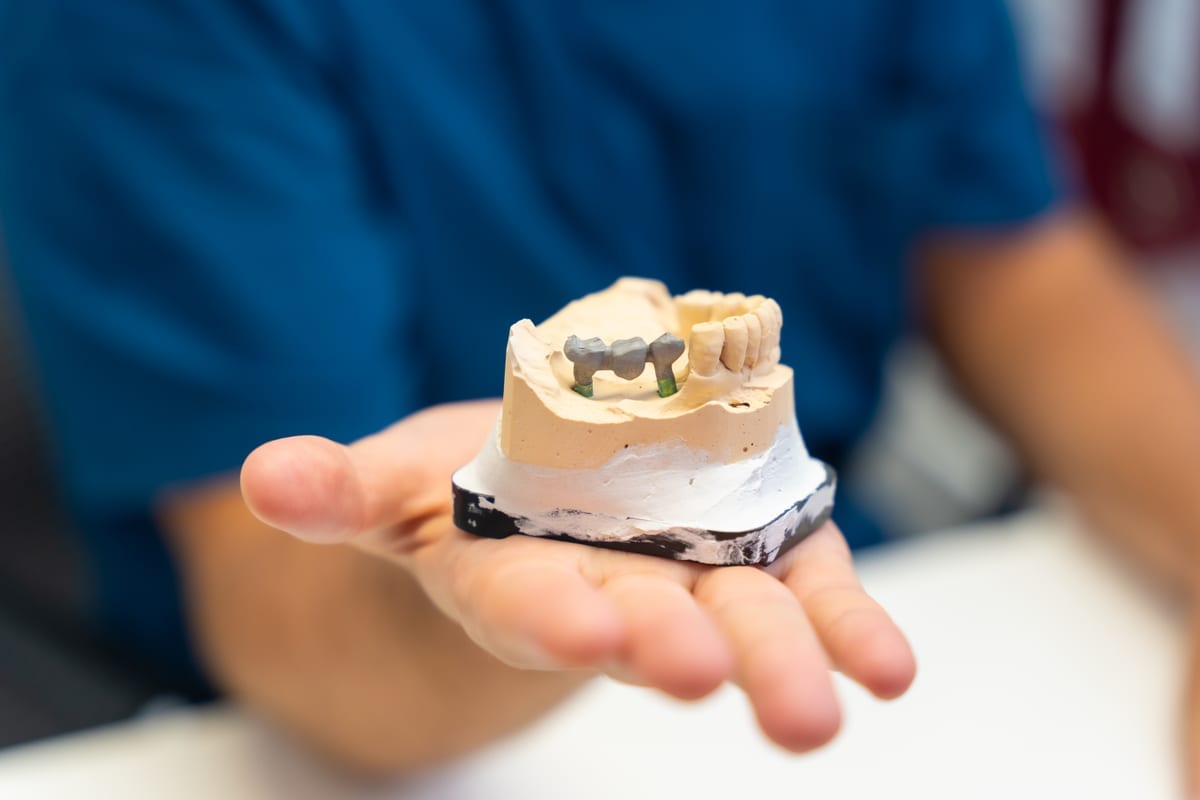
A dental bridge is a fixed restoration that fills the gap left by a missing tooth. It anchors to the natural teeth on either side of the gap, called abutment teeth. A custom-made artificial tooth — called a pontic — sits in the middle and mimics the look and function of your natural tooth.
You may benefit from a bridge if you have one or more missing teeth, healthy surrounding teeth, and adequate bone support. Common causes that lead to a bridge include tooth decay, gum disease, or injury. During your consultation, Dr. Dolia evaluates your oral health to confirm that a bridge is the right fit for you.
Bridges also prevent the surrounding teeth from shifting into the empty space. That shifting can throw off your bite and lead to jaw discomfort over time. Acting sooner rather than later protects the long-term health of your smile.
Stage One: Consultation, Exam, and Treatment Planning in Charlotte
Your bridge journey starts with a thorough consultation at our Charlotte office. Dr. Dolia takes digital X-rays and examines the abutment teeth to assess their strength. He also checks your gum health, because healthy gums are essential before any restoration is placed.
During this visit, you and Dr. Dolia discuss your goals, timeline, and what the procedure will feel like. He answers every question you bring. This stage sets the foundation for a comfortable and successful outcome.
If any underlying issues are found — such as decay or gum inflammation — those are treated first. Addressing those concerns upfront ensures your bridge lasts for many years. Some patients also explore Cosmetic Dentistry Charlotte options at this stage to combine their bridge with additional smile enhancements.
Stage Two: Tooth Preparation and Impressions
Once your mouth is healthy and ready, you return for the preparation appointment. Dr. Dolia numbs the area with local anesthetic so you feel comfortable throughout the visit. Most patients report feeling only mild pressure — not pain — during this stage.
The abutment teeth are then gently reshaped to create space for the bridge crowns. This reshaping removes a thin layer of enamel so the crowns fit precisely and feel natural. The amount removed is carefully calculated to preserve as much of your natural tooth as possible.
After reshaping, Dr. Dolia takes detailed impressions of your teeth. These impressions are sent to a dental laboratory where skilled technicians craft your custom bridge. A temporary bridge is placed to protect your prepared teeth while you wait.
- Local anesthetic keeps you comfortable throughout tooth preparation
- Only a thin layer of enamel is removed from abutment teeth
- Impressions capture the exact shape and spacing of your bite
- A temporary bridge protects your teeth between appointments
- The lab uses your impressions to create a precise, custom fit
Stage Three: Fitting and Placing Your Permanent Bridge
When your permanent bridge returns from the lab — typically within two to three weeks — you come back for the placement appointment. Dr. Dolia removes your temporary bridge and cleans the abutment teeth carefully. He then tries the permanent bridge in your mouth to check the fit and color match.
Small adjustments may be made at this stage to ensure a perfect bite. Dr. Dolia asks you to bite down gently on special paper that reveals any high spots. Those spots are refined until your bite feels completely natural.
Once everything looks and feels right, the bridge is permanently cemented in place. The process is smooth and generally takes about an hour. Most patients leave the office feeling relieved and excited about their restored smile.
- The permanent bridge is checked for fit, color, and bite alignment
- Minor adjustments are made before final cementation
- The bridge is bonded securely to the abutment teeth
- You receive care instructions before leaving the office
- Follow-up visits confirm everything is healing well
What to Expect After Your Bridge Is Placed
Some mild sensitivity is normal for the first few days after placement. The gum tissue around your abutment teeth may feel slightly tender as it adjusts. Over-the-counter pain relievers typically manage any discomfort well during this period.
Dr. Dolia provides detailed aftercare instructions at your placement visit. You will learn how to clean around the bridge using floss threaders or a water flosser. Keeping the area clean prevents buildup under the bridge and protects your gum health long term.
Most patients adapt to their bridge within one to two weeks. Eating softer foods for the first few days makes the transition more comfortable. After that, your bridge functions just like a natural tooth — you can speak, eat, and smile with full confidence.
If you ever experience sudden pain, looseness, or swelling after your procedure, contact our office promptly. In rare cases, discomfort can signal an issue that needs quick attention — the same urgency you would apply when seeking Emergency Dentistry Charlotte care. Dr. Dolia and our team are always here to help.
How Dr. Raj Dolia Keeps You Comfortable Every Step of the Way
Dental anxiety is real, and our team at Urban Family Dental takes it seriously. Dr. Dolia explains each step before he performs it, so you are never caught off guard. He checks in with you throughout every appointment to ensure you feel at ease.
Our Charlotte office is designed to feel welcoming rather than clinical. From the moment you walk in, our friendly staff creates a calm environment. We move at a pace that feels right for you — never rushed.
If you have had a difficult dental experience in the past, please share that with us. Dr. Dolia adjusts his approach based on your comfort level. Your well-being is always the priority, from consultation through final placement.
Conclusion
A dental bridge is a reliable, long-lasting solution for missing teeth. Understanding inside your dental bridge procedure — what happens at each stage in Charlotte — removes the uncertainty and helps you feel confident walking into your appointment. Dr. Raj Dolia and the team at Urban Family Dental are committed to making your experience smooth, educational, and comfortable from start to finish. Book Now to schedule your appointment with our team.
Frequently Asked Questions
How many appointments does a dental bridge procedure take?
Most patients complete their dental bridge in two to three appointments. The first visit covers your consultation and exam. The second appointment involves tooth preparation and impressions. Your final visit is for permanent bridge placement.
Is the dental bridge procedure painful?
The procedure is not painful. Dr. Dolia uses local anesthetic to numb the treatment area before any work begins. Most patients feel only light pressure during tooth preparation. Mild tenderness after placement is normal and resolves within a few days.
How long does a dental bridge last?
A well-maintained dental bridge typically lasts 10 to 15 years or longer. Good oral hygiene and regular professional cleanings extend its lifespan significantly. Avoiding habits like chewing ice or grinding your teeth also helps preserve the bridge over time.
Can I eat normally with a dental bridge?
Yes — once your bridge is fully cemented and you have adjusted to it, you can eat most foods comfortably. During the first few days after placement, softer foods are recommended. After that initial period, your bridge functions much like a natural tooth.
What is the difference between a dental bridge and a dental implant?
A dental bridge anchors to existing teeth on either side of the gap. A dental implant is a titanium post surgically placed into the jawbone. Both options effectively replace missing teeth, but they differ in procedure, timeline, and candidacy requirements. Dr. Dolia helps you choose the best option based on your specific oral health needs.

By Urban Family Dental

New patients and emergency appointments welcome