3210 Wilkinson Blvd, Ste. B-2, Charlotte, NC 28208

Invisalign vs. Braces for Adults in Charlotte, NC



If you’re an adult considering orthodontic treatment in Charlotte, you’ve likely wondered about Invisalign vs. braces and which works better for adult teeth. Both options can straighten your smile effectively. But they differ in comfort, appearance, cost, and the types of cases they treat. Understanding those differences helps you make a confident, informed decision.
At Urban Family Dental, Dr. Raj Dolia works with Charlotte adults every day who want straighter teeth without disrupting their lives. This guide breaks down both options honestly so you can choose what’s right for you.
How Invisalign and Braces Compare for Adult Patients in Charlotte
Traditional braces use metal brackets and wires bonded to your teeth. Your orthodontist tightens them periodically to shift teeth into alignment. They work continuously, which is a key advantage for complex cases.
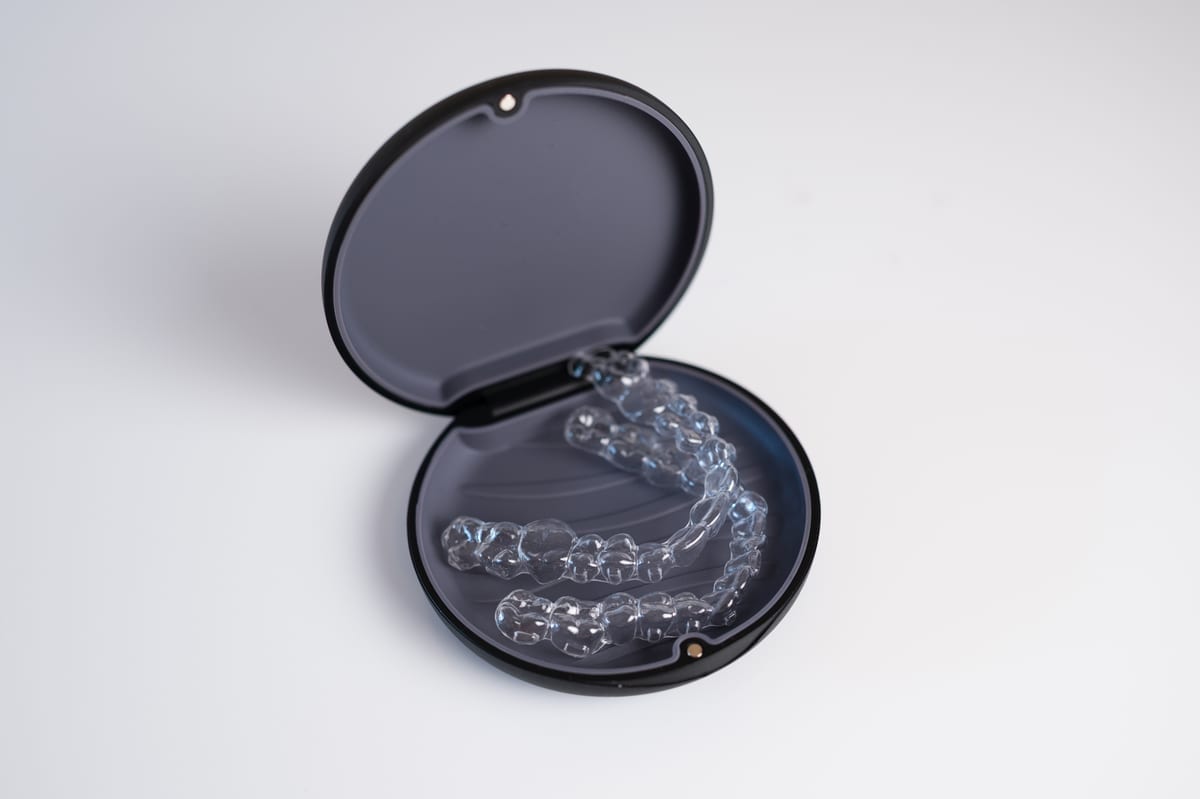
Invisalign uses a series of clear, removable plastic aligners. You swap to a new set roughly every one to two weeks. Each tray moves your teeth incrementally toward the final position.
Both systems can treat crowding, spacing, and bite issues. The right choice depends on your specific dental needs and lifestyle. Adults often have different priorities than teenagers, which is why the comparison matters so much.
- Braces: Fixed, work 24/7, ideal for complex movements
- Invisalign: Removable, nearly invisible, flexible for busy adults
- Treatment time: Both average 12–24 months for most adult cases
- Maintenance: Braces require more dietary restrictions; Invisalign requires disciplined wear
Comfort and Daily Life: Which Option Is Easier to Live With?
Comfort is one of the biggest factors adults consider. Braces involve metal brackets that can irritate your cheeks and gums, especially after adjustments. Many patients report soreness for a day or two after each tightening visit.
Invisalign aligners are made from smooth medical-grade plastic. Most adults find them significantly more comfortable day to day. There is still some pressure when switching to a new tray, but it typically fades within 24–48 hours.
Eating is another major lifestyle factor. With braces, you must avoid hard, sticky, or crunchy foods. That means no popcorn, hard candy, or chewy bagels for the duration of treatment.
With Invisalign, you simply remove the aligners before eating. You can enjoy any food you like without restriction. You do need to brush before reinserting the trays, which adds a small step to meals.
Appearance and Confidence During Treatment
Many Charlotte adults choose Invisalign specifically because of how it looks. Clear aligners are nearly invisible in conversation and professional settings. Most people won’t notice you’re wearing them unless they look very closely.
Traditional braces are highly visible. For adults in client-facing careers or social situations, this can feel uncomfortable. It’s one of the most common reasons adults lean toward Invisalign over braces.
That said, not everyone minds the look of braces. Ceramic braces offer a tooth-colored bracket option that blends better. But even ceramic braces are more visible than clear aligners.
If discretion matters to you, Invisalign is the clear winner here. As part of our Cosmetic Dentistry services, we offer Invisalign to help adults achieve straighter smiles with minimal visibility during treatment.
Compliance, Discipline, and Treatment Success
Here’s an important truth about Invisalign: it only works if you wear it. Aligners must be worn 20–22 hours per day for treatment to stay on schedule. Skipping wear time extends your treatment and reduces results.
Braces don’t require any compliance decisions. They’re always on, always working. For patients who struggle with consistency, this can actually be an advantage of traditional braces.
Adults who are motivated and disciplined tend to do very well with Invisalign. Teenagers, by contrast, sometimes struggle with consistent wear — which is why braces are still commonly recommended for younger patients.
- Invisalign requires 20–22 hours of daily wear to be effective
- Braces work passively — no effort required between appointments
- Adults with strong routines are ideal Invisalign candidates
- Missing wear time can delay your final result by weeks or months
Cost Differences and What to Expect
Cost is a practical concern for most adults. Invisalign and braces are often comparable in price, though the exact amount varies by case complexity. More complex alignment issues generally cost more regardless of which system you choose.
Invisalign used to be considered a premium option. Today, costs have become much more comparable to traditional braces for many cases. Dr. Dolia provides transparent pricing during your consultation so there are no surprises.
Through our Family Dentistry practice, we believe every patient deserves a clear understanding of their treatment investment. We walk you through all your options before you commit to anything.
Which Cases Are Better Suited to Each Option?
Invisalign handles most mild to moderate orthodontic cases very effectively. This includes crowded teeth, gaps, and many bite issues. Technology has advanced significantly, and Invisalign can now treat more complex cases than ever before.
However, severe malocclusions, significant bite corrections, or cases requiring complex tooth rotation may still be better suited to traditional braces. Your dentist or orthodontist will assess your X-rays and bite to make a recommendation based on your actual anatomy.
Adults with dental restorations like crowns or bridges may also face limitations with certain aligner movements. A thorough clinical exam helps identify any factors that could affect which system works best for you.
Making Your Decision with Dr. Raj Dolia in Charlotte
There’s no single right answer to the Invisalign vs. braces question for every adult in Charlotte. The best choice depends on your bite complexity, lifestyle, goals, and personal preferences. Both options can deliver a beautiful, healthy smile when applied to the right patient.
Dr. Raj Dolia takes time to understand your goals before recommending a treatment path. He reviews your dental history, takes necessary imaging, and explains what each option means for your specific case. You leave the consultation with real clarity — not a sales pitch.
If you’ve been holding off on orthodontic treatment because you weren’t sure which option was right for you, now is a great time to get answers. Straighter teeth improve more than aesthetics — they also support better oral hygiene and long-term dental health.
Ready to find out which option fits your smile and your life? Book Now to schedule your appointment with our team.
Frequently Asked Questions
Is Invisalign as effective as braces for adults?
Yes, Invisalign is highly effective for most adult orthodontic cases, including crowding, spacing, and mild to moderate bite issues. For very complex cases, traditional braces may still be the preferred option. Dr. Dolia will evaluate your specific needs and recommend the most effective treatment.
How long does Invisalign treatment take for adults in Charlotte?
Most adult Invisalign cases in Charlotte take between 12 and 24 months, depending on the complexity of the alignment issues. Simpler cases can sometimes be completed in as little as 6 to 12 months. Consistent aligner wear is essential to staying on schedule.
Can I switch from braces to Invisalign mid-treatment?
In some cases, yes — patients can transition from braces to Invisalign partway through treatment. This depends on how much tooth movement remains and whether the remaining work is suitable for aligners. Your dentist would need to assess your current progress before making that recommendation.
Do braces or Invisalign work better for bite correction in adults?
Traditional braces tend to have a slight edge for significant bite corrections that require precise, complex tooth movements. Invisalign has improved considerably and can address many bite issues effectively. The best approach depends on the severity of your specific bite problem.
What happens after Invisalign or braces treatment ends?
After either treatment, you will need to wear a retainer to keep your teeth in their new positions. Without a retainer, teeth can gradually shift back over time. Dr. Dolia will provide personalized retainer guidance as part of your overall treatment plan.

By Urban Family Dental

New patients and emergency appointments welcome