3210 Wilkinson Blvd, Ste. B-2, Charlotte, NC 28208

Deep Cleaning vs Regular Cleaning Charlotte, NC

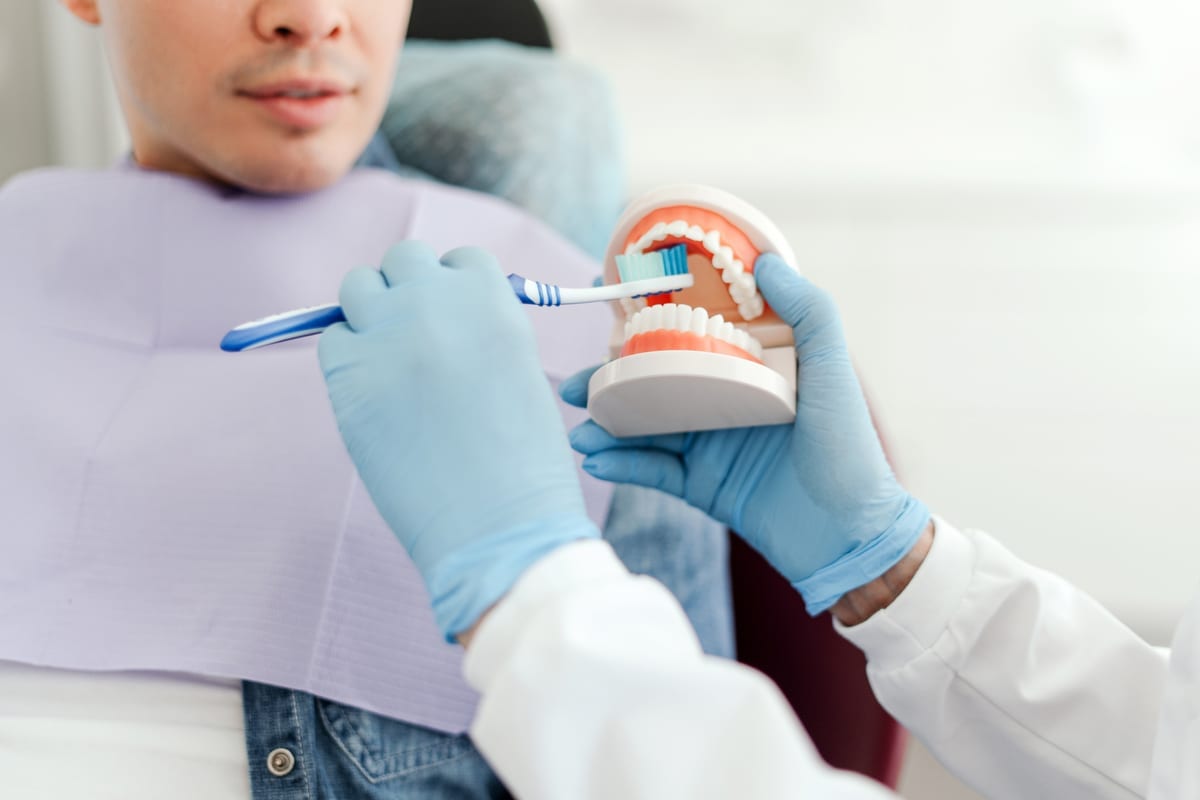
If your dentist has ever recommended a deep cleaning, you may have wondered what that actually means. Understanding deep cleaning vs regular cleaning and which your smile really needs in Charlotte is more important than most patients realize. These are two very different procedures with very different purposes. Knowing the distinction helps you make informed decisions about your oral health.
At Urban Family Dental, Dr. Raj Dolia takes time to explain every recommendation. Our goal is always to help you understand your dental health — not just tell you what to do. So let’s break down what separates these two cleanings and when each one is the right choice.
What Happens During a Regular Cleaning?
A regular cleaning is also called a prophylaxis or prophy. It is designed for patients who have generally healthy gums and no significant buildup below the gumline. This type of cleaning focuses on the surfaces of your teeth and just slightly beneath the gumline.
During a regular cleaning, your dental hygienist removes plaque and tartar from visible tooth surfaces. They also polish your teeth and floss between them. Most patients need this type of cleaning every six months as part of routine Family Dentistry care.
A regular cleaning typically takes 45 to 60 minutes. It is comfortable for most patients and requires no numbing. Think of it as routine maintenance that keeps your smile healthy and prevents problems from developing.
What Is a Deep Cleaning and Why Is It Different?
A deep cleaning is the clinical term for scaling and root planing. This procedure is not simply a more thorough version of a regular cleaning. It is a treatment for gum disease — specifically a condition called periodontitis.
When gum disease develops, bacteria and tartar build up in pockets beneath the gumline. These pockets form when the gums pull away from the teeth. A regular cleaning cannot reach these deeper areas. That is exactly why deep cleaning exists.
Scaling involves removing hardened tartar from below the gumline. Root planing smooths the root surfaces of your teeth. Smoother roots make it harder for bacteria to reattach in the future. The procedure is usually done in two appointments, treating one side of the mouth at a time.
Deep cleanings require local anesthesia to keep you comfortable. Your gums may feel tender for a few days afterward. Most patients notice significant improvement in their gum health within a few weeks of treatment.
How Does Your Dentist Know Which Cleaning You Need in Charlotte?
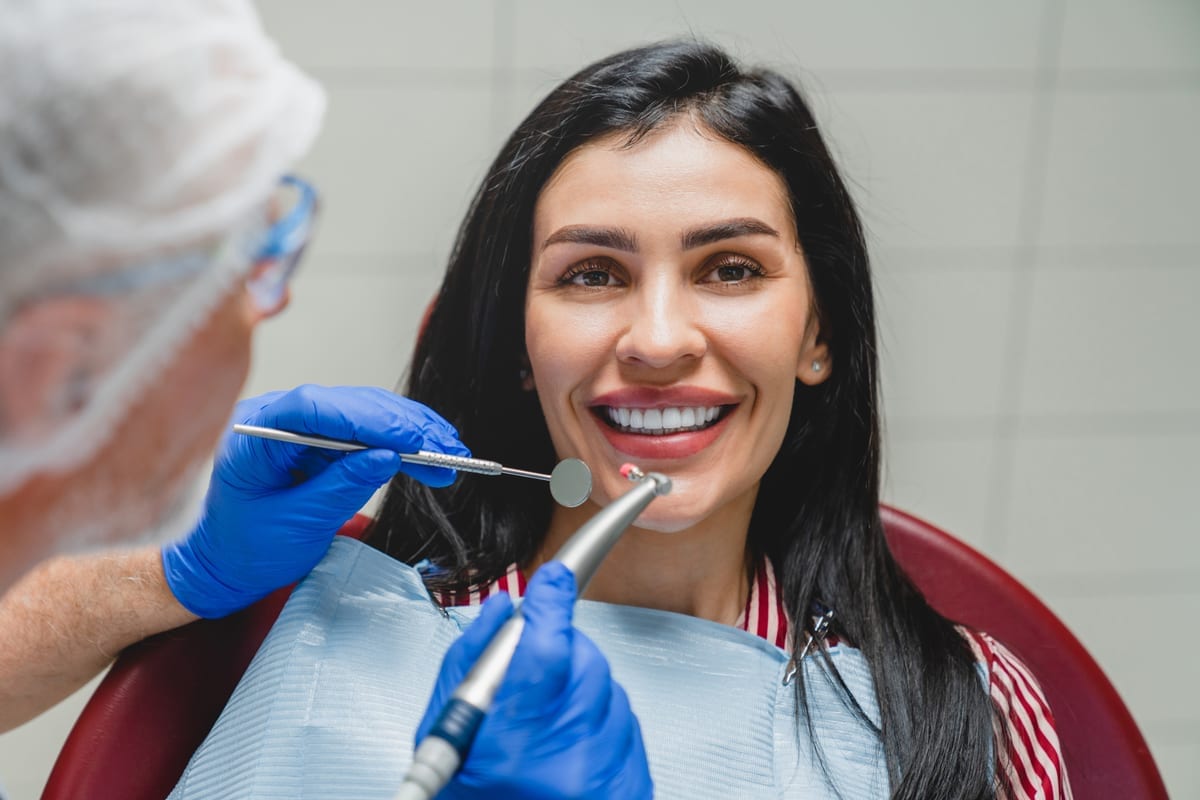
Dr. Dolia and our hygiene team use a process called periodontal probing to evaluate your gum health. A small, painless instrument measures the depth of the pockets between your gums and teeth. Healthy pockets measure between one and three millimeters.
Pockets that measure four millimeters or deeper indicate early to moderate gum disease. Readings of five millimeters or more typically point to more advanced periodontitis. These measurements, combined with X-rays, tell us exactly what type of cleaning your smile needs.
Other signs that may indicate the need for a deep cleaning include:
- Bleeding gums when you brush or floss
- Gums that look red, swollen, or puffy
- Persistent bad breath that does not improve with brushing
- Gums that have pulled away from the teeth
- Loose or shifting teeth
- Visible tartar buildup along the gumline
If none of these signs are present and your pocket depths are healthy, a regular cleaning is all you need. Our team will always explain our findings clearly before recommending any treatment.
Why Early Treatment of Gum Disease Matters
Gum disease does not always cause obvious pain in its early stages. Many Charlotte patients are surprised to learn they have it. Left untreated, gum disease can lead to serious consequences — including tooth loss and bone damage.
Research also links untreated gum disease to systemic health issues. These include heart disease, diabetes complications, and pregnancy risks. Taking gum disease seriously protects more than just your smile.
A deep cleaning, when recommended, is a highly effective first-line treatment. Most patients who complete scaling and root planing and follow up with regular maintenance cleanings can stabilize their gum disease. Early intervention gives you the best possible outcome.
Benefits of treating gum disease promptly include:
- Stopping the progression of bone and tissue loss
- Reducing pocket depths over time
- Eliminating harmful bacteria from below the gumline
- Lowering inflammation throughout the body
- Protecting your natural teeth for the long term
- Improving the success rate of future dental work
Deep Cleaning vs Regular Cleaning: Charlotte Patients Ask This Often
One of the most common questions Dr. Dolia hears is whether a deep cleaning is really necessary or if an extra-thorough regular cleaning could substitute. The answer is straightforward — these two procedures serve different clinical purposes. Substituting one for the other would leave active gum disease untreated.
Some patients also wonder if a deep cleaning is a one-time procedure. For many people, it is. After completing scaling and root planing, you may transition to maintenance cleanings every three to four months. These more frequent visits help prevent the disease from returning.
If you are interested in improving the overall appearance of your smile after your gum health is stabilized, our team also offers Cosmetic Dentistry services including veneers, teeth whitening, and dental bonding. Healthy gums are the foundation for any cosmetic work.
The most important takeaway is this: trust the clinical data, not assumptions. Pocket depths and X-rays tell us exactly what your gums need. Our recommendations at Urban Family Dental are always based on your specific oral health — never a one-size-fits-all approach.
Conclusion: Your Smile Deserves the Right Care
Whether you need a regular cleaning to maintain your healthy smile or a deep cleaning to treat early gum disease, the right care makes all the difference. Dr. Raj Dolia and the team at Urban Family Dental in Charlotte are here to help you understand your options and feel confident in your care. We make every visit educational, comfortable, and focused on your long-term health. Book Now to schedule your appointment with our team.
Frequently Asked Questions
How do I know if I need a deep cleaning or a regular cleaning?
Your dentist uses a process called periodontal probing to measure pocket depths between your gums and teeth. Pockets measuring four millimeters or more, combined with signs of inflammation or bone loss on X-rays, indicate that a deep cleaning is needed. A regular cleaning is appropriate when your gum pockets are healthy and there is no significant buildup below the gumline.
Is a deep cleaning painful?
Deep cleanings are performed with local anesthesia, so you should not feel pain during the procedure. Your gums may be tender and slightly swollen for a few days afterward. Most patients find the discomfort manageable and notice their gums feel healthier within a couple of weeks.
How long does a deep cleaning take?
A deep cleaning is typically divided into two appointments. Each appointment treats one side of the mouth and usually takes about 60 to 90 minutes. This approach gives your gums time to begin healing between visits and helps your hygienist work more comfortably and thoroughly.
Can gum disease come back after a deep cleaning?
Yes, gum disease can return if proper maintenance is not continued. After completing scaling and root planing, most patients transition to periodontal maintenance cleanings every three to four months. These more frequent visits help control bacteria and prevent pockets from deepening again.
Will my regular cleaning ever be enough if I have had gum disease in the past?
If you have a history of gum disease, a standard regular cleaning is often not sufficient to maintain your gum health. Your dentist will evaluate your current pocket depths and bone levels at each visit. Many patients with a history of periodontitis benefit from ongoing periodontal maintenance cleanings rather than routine prophylaxis.

By Urban Family Dental

New patients and emergency appointments welcome