3210 Wilkinson Blvd, Ste. B-2, Charlotte, NC 28208

Professional Teeth Cleaning in Charlotte, NC

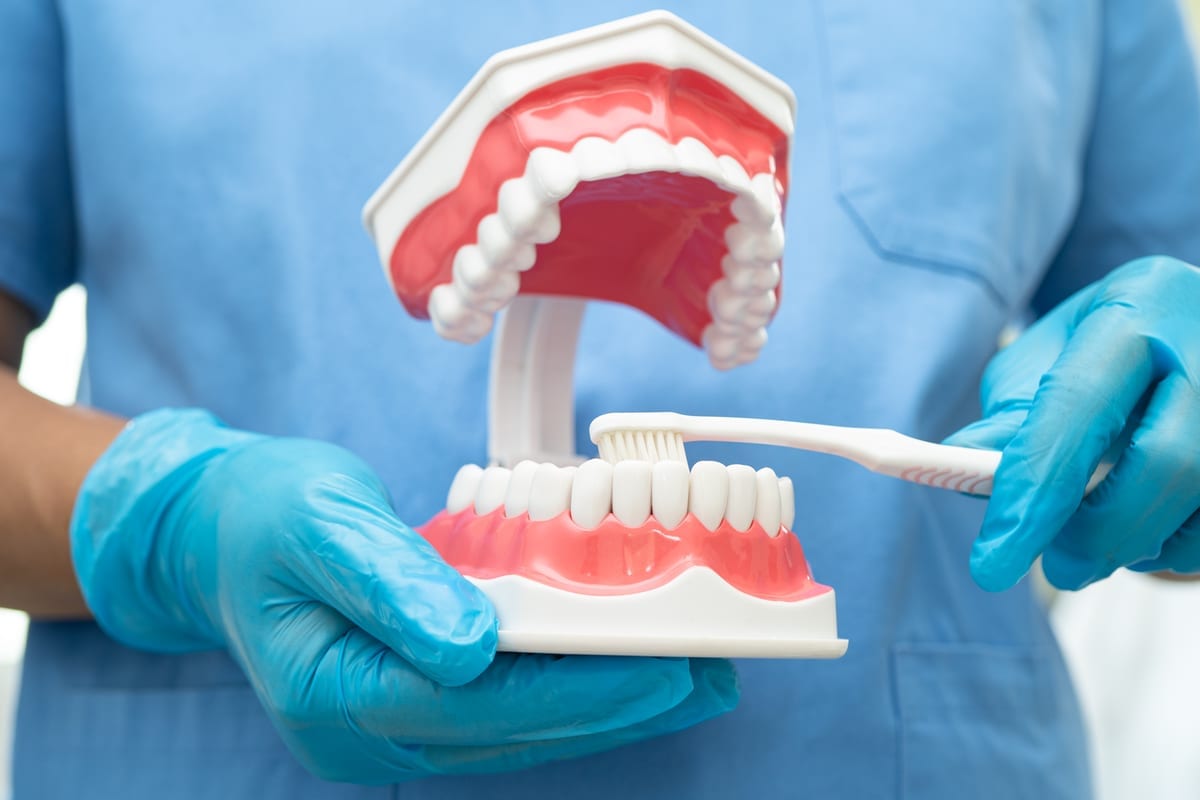
Most patients sit back, open wide, and hope for the best. But understanding what your hygienist actually does during a professional cleaning in Charlotte can change how you think about your oral health. Each step has a clear purpose. Each tool does a specific job. When you know what’s happening and why, you become a more confident, engaged patient.
At Urban Family Dental, Dr. Raj Dolia and our hygiene team believe education is part of great care. So let’s walk through your appointment — from first rinse to final polish — step by step.
Step One: The Initial Exam and Health Review
Your cleaning doesn’t start with a scraper. It starts with a conversation. Your hygienist will review your medical history and ask about any changes since your last visit. Medications, health conditions, and lifestyle habits all affect your oral health.
Next, the hygienist performs a visual exam of your teeth and gums. They check for signs of gum disease, swelling, bleeding, or recession. They also look for anything unusual that Dr. Dolia should evaluate more closely.
This step sets the tone for your entire appointment. It helps the hygienist personalize your cleaning based on what they see. Think of it as a quick but thorough health check before the real work begins.
What Your Hygienist Actually Does During Scaling in Charlotte
Scaling is the core of every professional cleaning. Your hygienist uses a small metal tool called a scaler — or an ultrasonic device — to remove tartar buildup from your teeth. Tartar is hardened plaque that brushing and flossing simply cannot remove at home.
The ultrasonic scaler uses vibration and a light water spray to break tartar loose. Manual scalers then reach into tighter spaces between teeth and along the gumline. Both tools work together to clear away deposits that accumulate over time.
Here’s why this matters so much:
- Tartar buildup causes gum inflammation and eventual bone loss
- Bacteria trapped under tartar contribute to bad breath and decay
- Removing tartar regularly prevents more serious problems down the road
- Professional scaling reaches areas your toothbrush will never touch
You may feel some pressure and hear scraping sounds. That’s completely normal. The hygienist works slowly and carefully around sensitive areas. If anything feels too uncomfortable, you can always ask them to pause.
Probing, Polishing, and What Comes Next
After scaling, your hygienist measures the depth of the spaces between your teeth and gums. This process is called periodontal probing. They use a small ruler-like instrument to record numbers around each tooth.
Healthy gum pockets measure one to three millimeters. Readings of four millimeters or higher suggest early gum disease. These numbers help Dr. Dolia track your gum health over time and recommend treatment when needed.
Once probing is complete, it’s time for polishing. Your hygienist applies a gritty paste called prophy paste to a rotating rubber cup. They gently buff each tooth surface to remove surface stains and smooth the enamel.
Polishing also makes it harder for plaque to stick to your teeth after the appointment. Your mouth feels noticeably cleaner and smoother when it’s done. It’s one of the most satisfying parts of the entire visit.
Flossing, Fluoride, and Patient Education
Professional flossing comes next. Your hygienist slides floss between every pair of teeth to clear any remaining debris. They also check your technique and may offer tips to improve your home routine.
Many patients receive a fluoride treatment at the end of their visit. Fluoride strengthens enamel and helps prevent cavities. It’s applied as a gel, foam, or varnish and takes only a minute or two.
The final part of your appointment is education. Your hygienist explains what they found and what it means for your care. They may recommend changes to your brushing habits, suggest a different toothbrush, or note areas that need extra attention.
This is also a great time to ask questions. Want to know more about Cosmetic Dentistry options to enhance your smile after cleaning? Your hygienist can point you in the right direction. Caring for your whole family? Our team specializes in Family Dentistry for patients of every age.
How Often Should Charlotte Patients Schedule a Cleaning?
Most patients benefit from a professional cleaning every six months. However, some individuals need more frequent visits. Those with a history of gum disease, dry mouth, or heavy plaque buildup may need cleanings every three to four months.
Here’s a quick checklist to help you decide if it’s time to book:
- It has been more than six months since your last cleaning
- Your gums bleed when you brush or floss
- You notice persistent bad breath despite good hygiene
- You see visible buildup or discoloration on your teeth
- You feel sensitivity or soreness along the gumline
Staying consistent with your cleanings is one of the best investments you can make in your long-term health. Prevention is always less expensive — and less time-consuming — than treatment.
Why Professional Cleanings Support Your Overall Health
Oral health and overall health are deeply connected. Research links gum disease to heart disease, diabetes, and other systemic conditions. Keeping your mouth clean helps reduce inflammation throughout your body.
At Urban Family Dental, we treat every cleaning as a full health appointment. Dr. Dolia reviews your hygienist’s findings and steps in when follow-up care is needed. You leave knowing exactly where your oral health stands.
Regular cleanings also keep your smile looking its best between more significant treatments. Whether you’re considering teeth whitening or simply want to maintain a healthy baseline, your cleaning appointments are the foundation everything else builds on.
Ready to schedule your next visit with our Charlotte team? Book Now to schedule your appointment with our team.
Frequently Asked Questions
Does a professional cleaning hurt?
Most patients experience little to no discomfort during a routine cleaning. You may feel pressure or mild sensitivity, especially near the gumline. Patients with gum disease or heavy tartar buildup may feel more sensitivity. Let your hygienist know if anything feels too uncomfortable — they can adjust their approach or use a topical numbing gel.
How long does a professional cleaning take?
A standard cleaning appointment typically takes between 45 and 60 minutes. If X-rays or a comprehensive exam are included, plan for up to 90 minutes. Patients who need deeper cleaning for gum disease may require a longer or split appointment.
What is the difference between a regular cleaning and a deep cleaning?
A regular cleaning removes plaque and tartar from above and just below the gumline. A deep cleaning — also called scaling and root planing — goes further below the gumline to treat active gum disease. Dr. Dolia and your hygienist will recommend a deep cleaning only when your gum measurements and clinical findings make it necessary.
Can professional cleanings whiten my teeth?
Polishing during a cleaning can remove surface stains and leave your teeth looking brighter. However, it does not change the natural color of your enamel the way teeth whitening treatments do. If you want more dramatic whitening results, ask Dr. Dolia about professional whitening options available at Urban Family Dental.
Is it safe to get a cleaning while pregnant?
Yes — dental cleanings are safe and actually recommended during pregnancy. Hormonal changes during pregnancy can increase the risk of gum inflammation and gingivitis. Keeping up with regular cleanings helps protect both your oral health and your overall wellbeing during this important time.

By Urban Family Dental

New patients and emergency appointments welcome