3210 Wilkinson Blvd, Ste. B-2, Charlotte, NC 28208
Top 5 Most Common Dental Emergencies and How to Handle Them


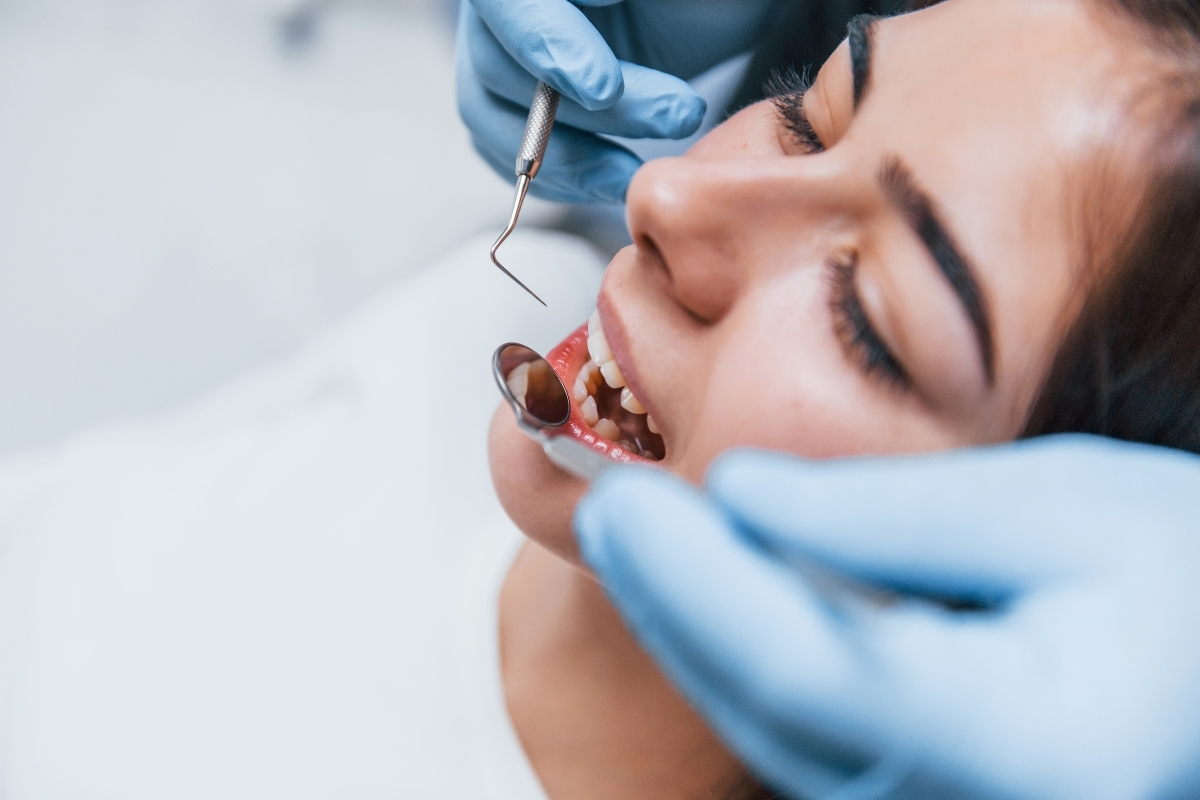
Dental emergencies can be frightening and painful, especially when they happen unexpectedly. Whether it’s a broken tooth or a severe toothache, knowing what to do in a dental emergency can make a big difference. Immediate action and the guidance of an emergency dentist can help you save teeth, relieve pain, and avoid further complications.
In this guide, we’ll cover the top five most common dental emergencies, what you should do in each situation, and how to keep your teeth safe and healthy.
1. Severe Toothache
Toothaches are among the most common dental emergencies and can be caused by cavities, gum infections, or other dental problems. The pain might be mild at first but can escalate quickly, making it difficult to concentrate or eat.
What to Do?
- Rinse your mouth with warm salt water to reduce swelling.
- Use dental floss to remove any food particles that might be stuck around the tooth.
- Apply a cold compress to the cheek near the aching tooth to numb the pain.
- Take an over-the-counter pain reliever, but avoid placing it directly on the gums as it can burn the tissue.
- Contact an emergency dentist for an assessment, as untreated toothaches can worsen and lead to severe infections.
2. Chipped or Broken Tooth
A chipped or broken tooth often occurs due to biting down on something hard or from an accident. While it might not seem urgent at first, a broken tooth can quickly become painful and may lead to further damage if not treated.
What to Do?
- Rinse your mouth with warm water to clean the area.
- If there’s bleeding, gently press a piece of gauze on the area until it stops.
- Save any broken pieces, as your dentist might be able to reattach them.
- Apply a cold compress to the outside of your mouth to reduce swelling.
- Make an appointment with your dentist as soon as possible to prevent further complications.
3. Knocked-Out Tooth
A knocked-out tooth is one of the most alarming dental emergencies but can sometimes be saved if you act quickly. Quick action can increase the chances of saving and reinserting the tooth.
What to Do?
- Pick up the tooth by the crown (top), not the roots, to avoid damaging it.
- Rinse the tooth with water, but don’t scrub it or remove any tissue fragments.
- Try to place the tooth back in its socket if possible. If you can’t, keep it in a container with milk or saline solution.
- Visit a dentist immediately, ideally within an hour, as reimplantation is more successful the sooner it’s done.
4. Lost or Loose Fillings and Crowns
Losing a filling or crown can cause sensitivity and leave your tooth vulnerable to further damage or infection. This is especially common in teeth with decay or old dental work.
What to Do?
- If a filling falls out, you can use dental cement (available at drugstores) as a temporary measure to cover the cavity.
- For a loose crown, try to place it back on the tooth using temporary dental cement or even toothpaste.
- Avoid chewing on the affected side of your mouth to prevent further damage.
- Schedule a dental appointment to repair or replace the filling or crown as soon as possible.
5. Abscessed Tooth
An abscess is a painful infection that occurs at the root of a tooth or between the gum and a tooth. It can cause swelling, fever, and sensitivity and may lead to severe health risks if left untreated.
What to Do?
- Rinse your mouth with a warm saltwater solution to help ease the pain and reduce infection.
- Apply a cold compress to the affected area to reduce swelling.
- Avoid eating on the side of your mouth with the abscess.
- Contact your dentist immediately. If left untreated, an abscessed tooth can lead to serious complications.
Preventing Dental Emergencies
While it’s not possible to prevent all dental emergencies, there are some steps you can take to reduce your risk. Practicing good oral hygiene and wearing protective gear during sports can go a long way toward preventing issues. Here are some tips to help you avoid dental troubles:
- Brush and Floss Daily: Maintaining good oral hygiene helps prevent cavities and infections.
- Regular Dental Check-Ups: Routine check-ups can catch problems early before they turn into emergencies.
- Use a Mouthguard: If you play contact sports, wearing a mouthguard can protect your teeth from impact.
- Avoid Chewing Hard Objects: Biting down on ice, hard candies, or even pens can chip or break teeth.
When to See an Emergency Dentist?
Knowing when to call an emergency dentist is essential. If you’re in severe pain, have swelling, or see signs of infection, don’t wait. Emergency dental care can prevent worsening conditions, reduce pain, and even save a tooth. Addressing dental emergencies promptly is the best way to protect your smile and overall health.
In summary, understanding how to respond to common dental emergencies can make a big difference in outcomes. Follow the steps outlined for each situation, and don’t hesitate to seek professional help when needed. With proper care and prompt action, you can get through any dental emergency confidently and effectively.
By Urban Family Dental
New patients and emergency appointments welcome