3210 Wilkinson Blvd, Ste. B-2, Charlotte, NC 28208

Teeth Whitening and Sensitive Teeth: Why It Happens and How to Stop It



If you have ever winced after a whitening treatment, you are not alone. Teeth whitening and sensitive teeth go hand in hand for many patients in Charlotte — and understanding why it happens is the first step toward solving it. At Urban Family Dental, Dr. Raj Dolia helps patients brighten their smiles without unnecessary discomfort. This guide explains the science behind whitening sensitivity and what you can do about it right now.
Why Teeth Whitening Causes Sensitivity in the First Place
Whitening treatments use peroxide-based gels to break up stain molecules deep inside your enamel. This process temporarily opens tiny pores called dentinal tubules. Those tubules connect directly to the nerve of your tooth.
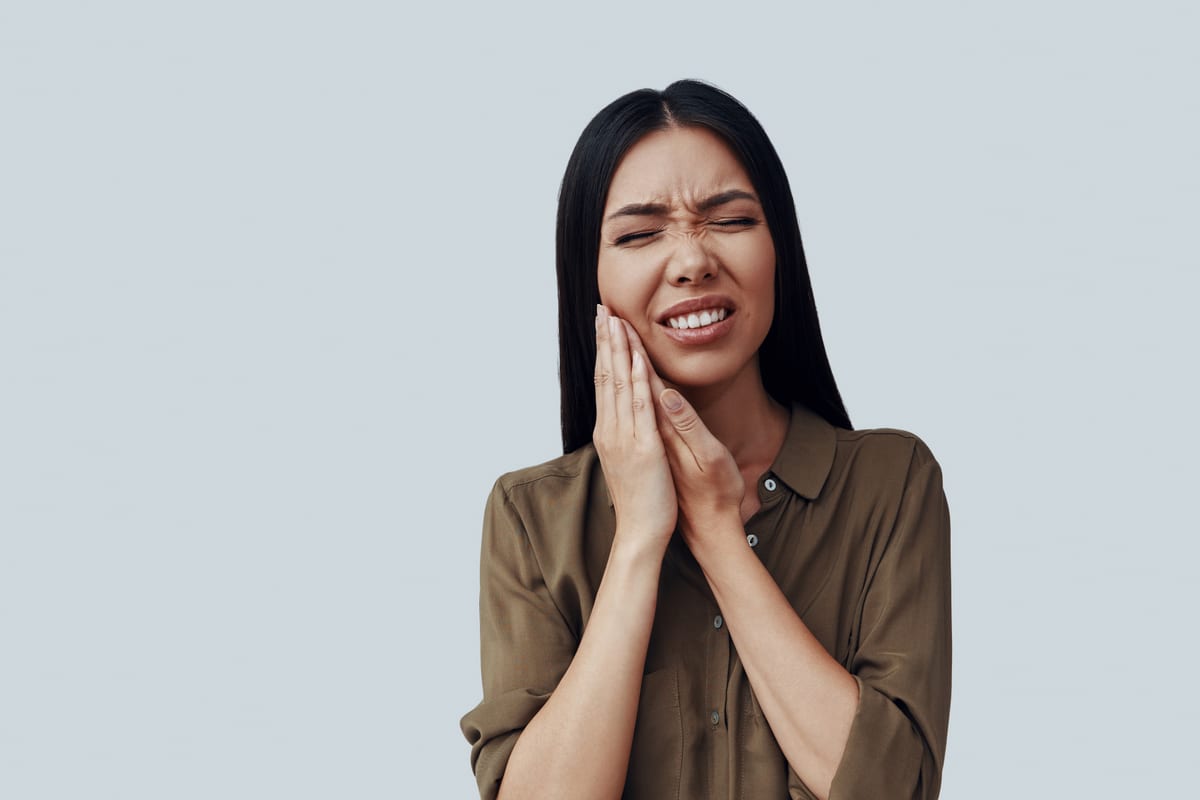
When those pathways open, temperature changes and air exposure trigger a sharp, brief pain signal. Most patients describe it as a sudden zing or mild throbbing. It usually fades within 24 to 48 hours after treatment ends.
Pre-existing sensitivity can make the experience more intense. Patients with thin enamel, gum recession, or untreated cavities often feel more discomfort. That is why a professional evaluation before whitening is so important.
How Dr. Raj Dolia Minimizes Sensitivity During Professional Whitening in Charlotte
Professional whitening at Urban Family Dental is not the same as an over-the-counter kit. Dr. Dolia customizes the treatment to your specific tooth structure and sensitivity level. That personalized approach makes a significant difference in comfort.
Here is what happens during a professional in-office whitening session:
- A thorough exam ensures no cavities or gum issues are present before treatment begins.
- A protective barrier is applied to your gums to shield soft tissue from the gel.
- Prescription-strength desensitizing agents are applied before and after the whitening gel.
- Lower-concentration gel options are available for patients with existing sensitivity.
- Treatment time and gel strength are adjusted based on your individual response.
These steps drastically reduce the risk of significant discomfort. You get a brighter smile without suffering through it. This level of control simply is not possible with store-bought strips.
What You Can Do at Home to Reduce Whitening Sensitivity
There are several practical steps you can take before and after your whitening appointment. Preparing ahead of time can make the experience much more comfortable. Recovery is faster when you follow the right routine.
Before your appointment, try these tips:
- Switch to a sensitivity toothpaste containing potassium nitrate or stannous fluoride for two weeks before treatment.
- Avoid extremely hot or cold foods on the day of your appointment.
- Ask Dr. Dolia about a pre-treatment fluoride application to strengthen your enamel.
- Take an over-the-counter pain reliever like ibuprofen about an hour before your session, if appropriate for you.
After whitening, continue using your sensitivity toothpaste for at least one week. Avoid acidic foods, icy drinks, and very hot beverages for 48 hours. These small adjustments give your dentinal tubules time to close back up naturally.
If sensitivity persists beyond 72 hours, contact Urban Family Dental right away. Prolonged discomfort could indicate an underlying issue that needs professional attention. It is always better to check in than to wait and wonder.
Who Should Be Extra Cautious About Teeth Whitening?
Whitening is safe for most adults, but certain conditions require extra care. Dr. Dolia screens every patient before recommending any whitening approach. Some situations call for a modified plan or a different cosmetic solution entirely.
You may need special consideration if you have any of the following:
- Exposed root surfaces due to gum recession
- Cracked teeth or significant enamel erosion
- Active tooth decay or untreated gum disease
- Crowns, veneers, or bonding in visible areas
- A history of severe whitening sensitivity in the past
Patients with these concerns should not skip whitening entirely. Instead, they should explore all options with their dentist. A customized take-home tray with a lower-concentration gel, for example, can be a gentler alternative.
Whitening is just one part of Cosmetic Dentistry Charlotte patients can access at Urban Family Dental. Dr. Dolia also offers veneers, dental bonding, and full-mouth restoration for those who want a complete smile transformation. Every treatment plan starts with your comfort and health in mind.
When to See a Dentist Instead of Whitening at Home
Store-bought whitening products can be tempting because they are cheap and convenient. But they come with real risks, especially for sensitive patients. Without a professional evaluation, you may be whitening damaged teeth without even knowing it.
Certain symptoms mean you should see Dr. Dolia before attempting any whitening:
- Tooth pain that lingers for more than a few seconds after eating or drinking
- Visible chips, cracks, or dark spots on the surface of your teeth
- Swollen, bleeding, or receding gums
- Teeth that feel rough or look translucent at the edges
These signs point to underlying issues that need treatment first. Whitening over a compromised tooth can worsen the problem significantly. Addressing the root cause always leads to better long-term results.
If you experience sudden, intense tooth pain, that is a different concern entirely. You may need to contact us for Emergency Dentistry Charlotte services right away. Dr. Dolia and the Urban Family Dental team are here to help when unexpected dental issues arise.
What Long-Term Results Look Like With the Right Whitening Plan
A well-managed whitening plan delivers lasting results without repeated sensitivity flare-ups. Most patients in Charlotte maintain their results for one to two years with proper care. Simple habits protect your investment and keep your smile bright.
Limit staining beverages like coffee, red wine, and dark teas. Use a straw when possible to reduce contact with your teeth. Brush twice daily and floss consistently to prevent surface stains from building up.
Schedule periodic touch-up treatments with Dr. Dolia rather than reaching for at-home strips. Professional touch-ups are gentler and more precise. Your dentist can also monitor your enamel health over time to catch any changes early.
Conclusion
Understanding the connection between teeth whitening and sensitive teeth in Charlotte puts you in control of your smile journey. Sensitivity is common, manageable, and often completely preventable with the right professional guidance. Dr. Raj Dolia and the team at Urban Family Dental take a personalized, evidence-based approach to every whitening case. You deserve a brighter smile that does not come at the cost of your comfort. Book Now to schedule your appointment with our team.
Frequently Asked Questions
Is teeth whitening sensitivity permanent?
No, whitening sensitivity is almost always temporary. Most patients notice discomfort fading within 24 to 48 hours after their treatment. If sensitivity lasts longer than 72 hours, contact Urban Family Dental for an evaluation.
Can I whiten my teeth if I already have sensitive teeth?
Yes, but extra precautions are needed. Dr. Raj Dolia recommends a full exam first to identify any underlying causes of sensitivity. A lower-concentration whitening gel or a desensitizing pre-treatment can make the process much more comfortable for you.
How do sensitivity toothpastes help with whitening?
Sensitivity toothpastes contain ingredients like potassium nitrate or stannous fluoride. These compounds work by blocking the dentinal tubules that transmit pain signals to your tooth nerve. Using them for two weeks before and after whitening significantly reduces discomfort.
Are professional whitening treatments safer than over-the-counter strips?
Professional treatments are far safer for patients with sensitive teeth. Dr. Dolia controls the gel concentration, application time, and protective measures throughout the process. Over-the-counter products offer no customization and can cause unnecessary irritation to gums and enamel.
How often should I whiten my teeth in Charlotte?
Most patients benefit from a full whitening treatment once every 12 to 18 months. Periodic professional touch-ups between those sessions help maintain brightness. Dr. Dolia will recommend a schedule based on your enamel health and lifestyle habits.

By Urban Family Dental
New patients and emergency appointments welcome