3210 Wilkinson Blvd, Ste. B-2, Charlotte, NC 28208
Smoking After Dental Surgery: Why It’s a Bad Idea and How to Quit

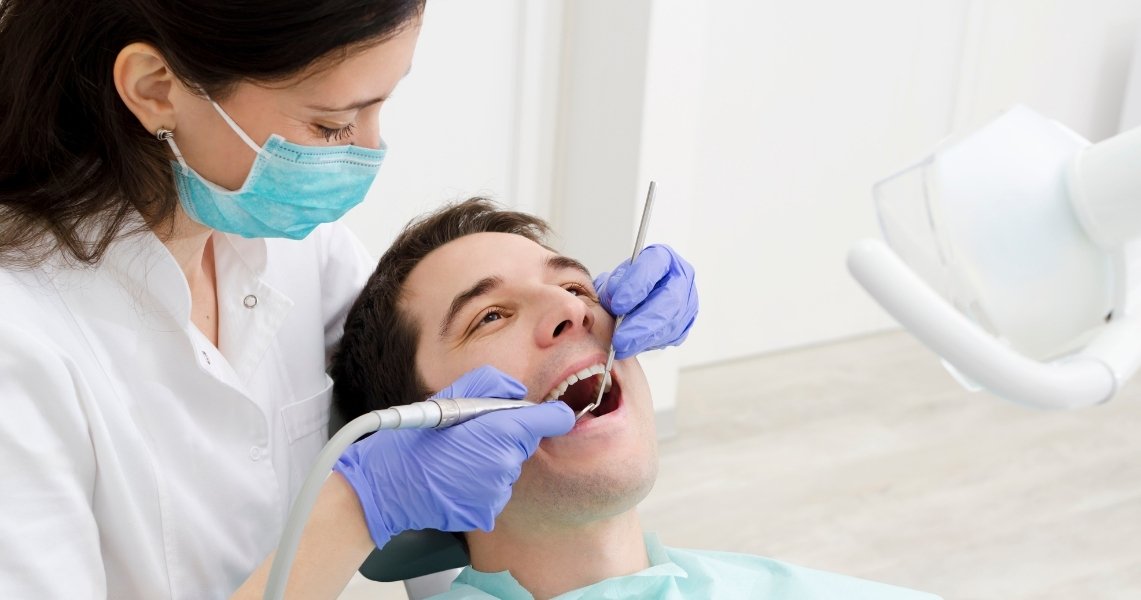
When you’ve just had dental surgery, your body needs time to heal and recover. One thing that can seriously hinder this process is smoking after dental surgery. Many patients underestimate the impact of tobacco on their recovery, unaware that smoking can cause complications, slow healing, and even lead to infections.
In this blog, we’ll explain why smoking after dental surgery is a bad idea and share some tips on how to quit for good.
Why Smoking After Dental Surgery Is Harmful?
Smoking affects your health in many ways, but its impact on healing after dental procedures is especially concerning. Here are a few reasons why smoking after dental surgery can cause problems:
- Reduced Blood Flow: Nicotine constricts blood vessels, limiting the amount of oxygen and nutrients your body can send to the healing tissues. This slows down the healing process and increases the risk of complications.
- Increased Risk of Infection: Smoking decreases your immune system’s ability to fight off bacteria. This makes it easier for infections to set in, especially in the sensitive areas where dental work is performed.
- Dry Socket: One of the most common and painful complications after a tooth extraction is a dry socket. Smoking after dental surgery disrupts the healing clot in the extraction site, making this painful condition more likely.
- Delayed Recovery: The chemicals in cigarettes can slow the body’s ability to heal, meaning your recovery time will be longer than if you abstain from smoking.
The Impact of Smoking on Your Mouth
While smoking affects your body in numerous ways, it also has a significant impact on your oral health. Post-procedure, you want to ensure your mouth is as healthy as possible to avoid complications.
Smoking can:
- Stain Teeth: Tobacco can stain your teeth, affecting the aesthetic results of your dental surgery.
- Increase Plaque Buildup: Smokers tend to have more plaque in their mouths, which can lead to further dental problems like gum disease.
- Weaken Gums: Smoking affects the gums, making them more prone to recession, which can damage the tissue and bone around your teeth.
How to Quit Smoking After Dental Surgery?
If you’re a smoker, it can be difficult to quit, but it’s well worth the effort, especially after dental surgery. Here are some practical tips to help you stop smoking for good:
1. Set a Quit Date
Choose a date to quit smoking and stick to it. It could be the day of your dental surgery or a few days after. Having a set goal will give you the motivation you need to take the first step.
2. Seek Support
Quitting smoking is challenging, but you don’t have to do it alone. Tell your friends and family about your decision and ask for their support. You can also consider joining a support group or speaking with a professional who can guide you through the process.
3. Use Nicotine Replacement Products
Nicotine patches, lozenges, or gum can help manage cravings while your body adjusts to life without cigarettes. These products provide a lower dose of nicotine, reducing withdrawal symptoms and helping you avoid relapse.
4. Avoid Triggers
Identify situations or places that trigger your desire to smoke and avoid them during your recovery period. For example, if you usually smoke after meals, try chewing gum or drinking water instead.
5. Focus on Your Health
Remind yourself of the benefits of quitting, especially after dental surgery. Picture the healthier, stronger mouth you’ll have once your recovery is complete. Focus on taking care of your body and your smile.
Post-Procedure Tips for a Smooth Recovery
If you’re struggling with smoking after dental surgery, there are a few additional tips you can follow to make your recovery process smoother:
- Follow Your Dentist’s Instructions: Make sure to follow all the instructions your dentist provides for post-procedure care. This will ensure you recover as quickly and safely as possible.
- Hydrate and Eat Healthy: Drink plenty of water and eat nutritious foods to support healing. This will also help you resist cravings and keep your body in top shape.
- Stay Active: Light physical activity can help improve your circulation, which speeds up the healing process and may help you quit smoking.
Why You Should Quit Smoking for Good?
Smoking after dental surgery isn’t just about your immediate recovery—it’s about the long-term health of your mouth and body. While it may seem difficult, quitting smoking has countless benefits for your overall health, including a reduced risk of heart disease, lung cancer, and gum disease. Moreover, quitting smoking will allow you to enjoy better dental health, faster healing, and a brighter smile.
If you’ve recently undergone dental surgery, try to resist the urge to smoke. The risks are not worth it, and your recovery will be much quicker and smoother without the added complication of tobacco use. Quitting smoking now could also be the perfect opportunity to make a lasting change for your health and well-being.
Smoking After Dental Surgery
While smoking after dental surgery may seem like a harmless habit, it can severely impact your recovery and overall oral health. By quitting smoking and taking steps to care for your teeth and gums, you’ll be setting yourself up for a faster recovery and long-term oral health success. If you’re finding it hard to quit, don’t hesitate to reach out for support. Your health—and your smile—are worth it.
By Urban Family Dental



New patients and emergency appointments welcome