3210 Wilkinson Blvd, Ste. B-2, Charlotte, NC 28208
When Is a Root Canal Necessary? Signs That You Need to See a Dentist


Experiencing discomfort in your teeth can be unnerving. While some dental issues resolve on their own, others may indicate a more serious problem, like an infection or damage to the tooth. In these cases, a root canal might be necessary.
But how do you know when you need one? Let’s break down the signs that may indicate the need for a root canal and why addressing them sooner rather than later is essential for maintaining your oral health.
What Is a Root Canal?
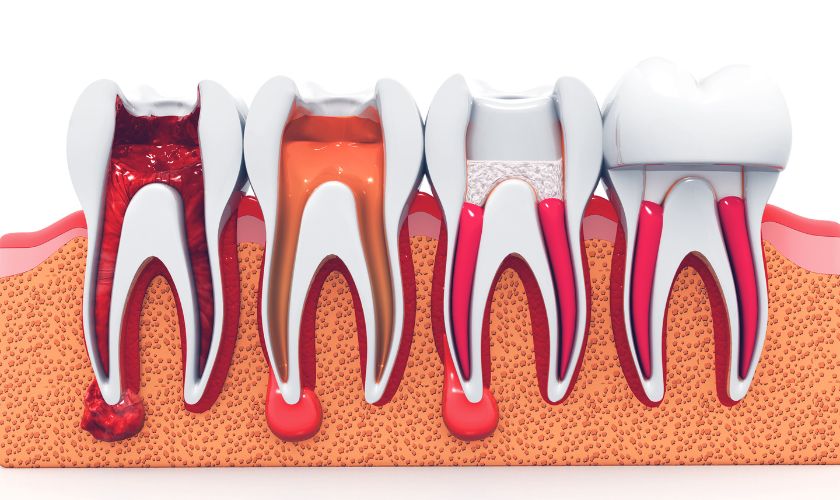
A root canal is a common dental procedure that helps save a tooth that has become infected or damaged. The process involves removing the infected or inflamed pulp from the tooth, cleaning the inner chamber, and sealing it to prevent further infection. Root canals not only relieve pain but also help preserve your natural tooth, avoiding the need for extraction.
Common Signs for Root Canals
Knowing the warning signs of a tooth that may need a root canal can help you take action before the situation worsens. Here are some signs to watch out for:
1. Persistent Tooth Pain
Tooth pain is one of the most obvious signs that something is wrong. If you have a constant, throbbing pain that doesn’t go away, especially when chewing or applying pressure, it could indicate that the tooth’s nerve or pulp is damaged or infected.
- If the pain intensifies over time, it’s important to consult your dentist.
- The discomfort may be sharp, dull, or radiate to other areas like your jaw, ear, or head.
2. Sensitivity to Heat and Cold
We all feel a little sensitivity to hot or cold foods occasionally, but when the sensation lingers or becomes painful, it could signal the need for a root canal. This kind of sensitivity often means that the tooth’s nerve has been damaged.
- Sensitivity may begin as a minor irritation but can quickly escalate to sharp, lasting discomfort.
- If the sensitivity continues long after you’ve stopped eating or drinking, it’s time to visit your dentist.
3. Swollen or Tender Gums
Swelling near the affected tooth is a sign of infection. Your gums may feel tender or swollen, and sometimes a small bump or abscess may form. This indicates that bacteria are accumulating inside the tooth.
- The swelling may come and go, but even temporary swelling shouldn’t be ignored.
- You may also notice pus or a bad taste in your mouth due to the infection.
4. Discolored Tooth
A tooth that has darkened or turned grayish could indicate that the tooth’s internal tissues are damaged. This kind of discoloration typically results from trauma to the tooth or internal decay, both of which can require a root canal.
- Tooth discoloration should not be confused with surface stains caused by coffee, tea, or smoking.
- A gray or black tooth may signal that the nerve is dying and requires immediate attention.
5. Cracked or Chipped Tooth
If you’ve sustained trauma to a tooth—whether through a fall, accident or biting something hard—it could lead to a crack or chip. These can expose the tooth’s pulp to bacteria, causing an infection that necessitates a root canal.
- Even if you don’t feel immediate pain after the crack, it’s still wise to have the tooth examined by a dentist.
- Small cracks can worsen over time, eventually reaching the tooth’s inner chamber.
6. Deep Decay
Cavities that are left untreated can spread deep into the tooth, reaching the pulp and causing infection. If the decay is too extensive to be treated with a simple filling, your dentist may recommend a root canal to preserve the tooth.
- Once the decay reaches the nerve, the tooth will be more prone to abscesses and other complications.
- Regular dental check-ups can help prevent cavities from reaching this stage.
7. Prolonged Pain After Dental Procedures
If you’ve had recent dental work and continue to experience pain in the area, it could mean that something is wrong beneath the surface. While minor sensitivity after a filling or crown is normal, prolonged pain could be a sign of pulp damage or infection.
- In some cases, the previous dental treatment may have irritated the pulp, leading to inflammation that needs to be addressed with a root canal.
8. Bump on the Gums (Abscess)
A pimple-like bump on your gums, often called an abscess, can be a clear sign of infection. This bump is typically filled with pus and may burst, releasing an unpleasant taste. Abscesses are a sign that bacteria have entered the tooth, and a root canal may be necessary to remove the infection.
- Abscesses are often accompanied by other symptoms like swelling, fever, and pain.
- It’s important to treat an abscess as soon as possible to prevent the infection from spreading to other parts of the body.
Why You Shouldn’t Wait to Address Root Canal Symptoms
Ignoring the signs for root canals can lead to more serious complications. Infections can spread to surrounding teeth, bones, and even other parts of your body. Not only will this cause more pain and discomfort, but it could also result in tooth loss, requiring more invasive treatments like extractions and dental implants.
Timely intervention with a root canal can save your natural tooth, prevent the spread of infection, and relieve the pain. If you notice any of the signs mentioned, we recommend making an appointment with your dentist as soon as possible.
What Happens If You Need a Root Canal?
If your dentist determines that a root canal is necessary, the procedure will typically be straightforward. Here’s a brief overview of what to expect:
- Initial Exam: The dentist will take x-rays to assess the extent of the damage or infection.
- Anesthesia: You’ll be given local anesthesia to numb the area, ensuring a painless experience.
- Pulp Removal: The dentist will create a small opening in the tooth to remove the infected or damaged pulp.
- Cleaning and Filling: The inner chamber of the tooth is cleaned and filled with a rubber-like material to seal it off.
- Restoration: In many cases, the tooth will need to be restored with a crown to provide strength and protection.
Most patients report relief from their symptoms shortly after the procedure, with minimal discomfort during recovery.
Take Action Early to Protect Your Oral Health
Recognizing the signs that you may need a root canal can make all the difference in preserving your natural teeth and avoiding more serious dental issues. If you’re experiencing any of the symptoms we’ve discussed, such as persistent pain, sensitivity, or swelling, don’t delay in seeking professional dental care. Addressing these signs promptly not only relieves discomfort but also helps prevent the need for more invasive treatments.
Protect your smile by staying proactive about your dental health and scheduling regular check-ups with your dentist. Early intervention is key to maintaining a healthy, pain-free mouth!
By Urban Family Dental


New patients and emergency appointments welcome