3210 Wilkinson Blvd, Ste. B-2, Charlotte, NC 28208
How Oral Appliance Therapy Can Transform Your Sleep

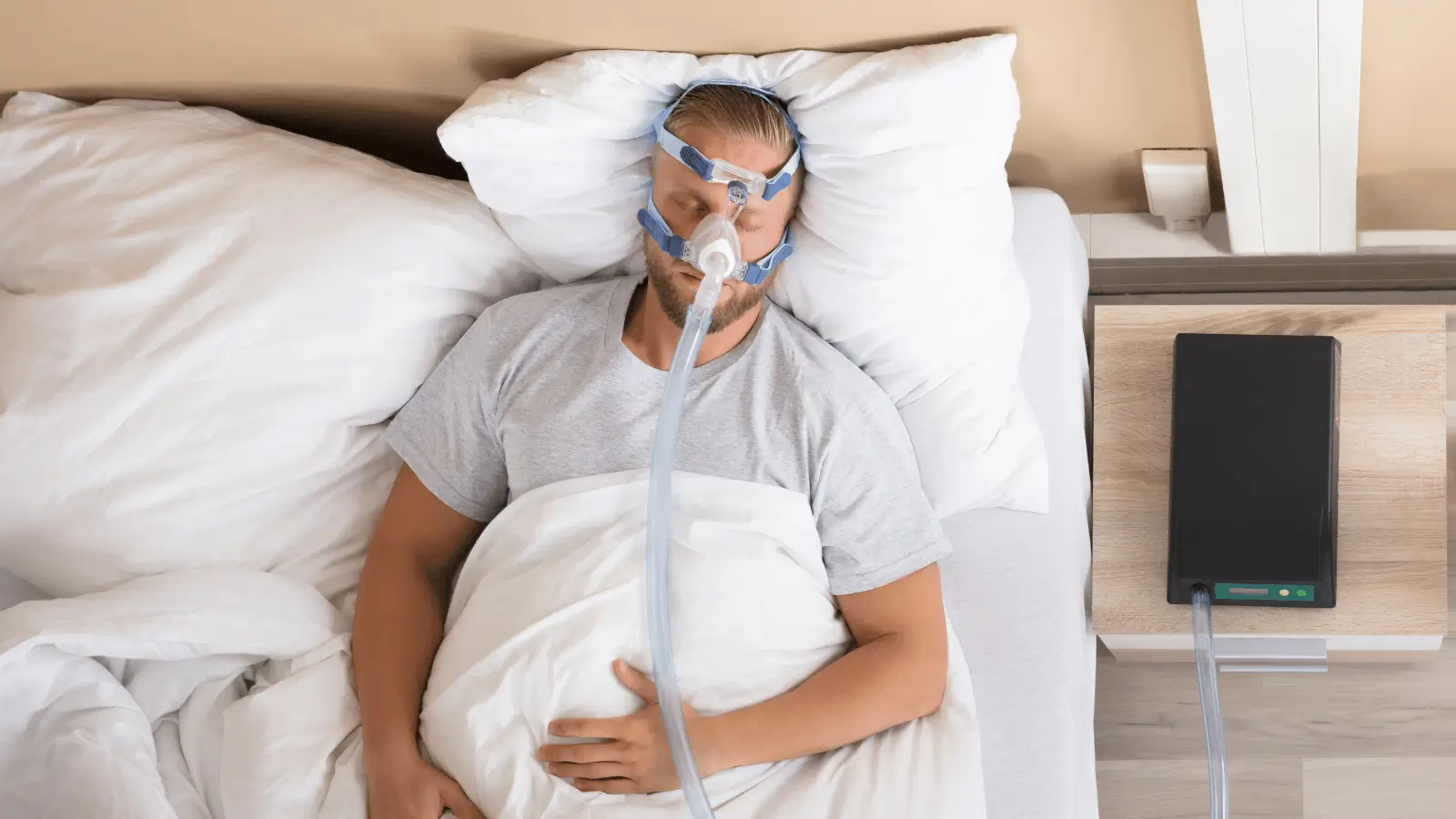
Do you keep waking up from your sleep with a jaw ache, a headache, and feeling tired? You definitely are not alone in this. Almost 24% of men and 9% of women in America suffer from this condtion called sleep apnea. This can affect your sleep quality and start damaging your overall health.
This is where oral appliance therapy can come in and help you. Read this blog to learn the effects of this sleep condition and the benefits of the therapy.
Why Sleep Disturbance Is a Bigger Issue Than You Realize?
Bad sleep isn’t just about feeling groggy the following day. Over time, it erodes your mental acuity, mood, immune function, and cardiovascular health. Obstructive sleep apnea (OSA), one of the most common causes of disrupted sleep, can lead to:
- Noisy, persistent snoring
- Gasping or choking at night
- Recurrent nighttime awakenings
- Daytime fatigue or crankiness
- Morning headaches
Left untreated, OSA causes blood pressure to rise, type 2 diabetes, and heart disease. Sleep Apnea therapy in Charlotte can help you overcome this issue.
What Is Oral Appliance Therapy For Sleep Apnea?
Oral appliance therapy employs a tiny appliance, crafted especially by dentists. This device will subtly advance your lower jaw forward to keep your airway open throughout the night.
There are two primary forms of oral appliances:
- Mandibular advancement devices (MADs) – This device advances the lower jaw, keeping your airway open.
- Tongue retaining devices – These restrain the tongue to prevent it from blocking the airway.
Dental professionals will choose the best device for you based on your anatomy and your sleep problem. These devices will not make you uncomfortable lunlike large and loud CPAP machines.
What to Expect During Oral Appliance Therapy?
This therapy usually begins with a consultation where your symptoms and medical history are discussed. If the dentist suspects sleep apnea, the medical practitioner may order a home sleep test or an in-lab sleep study. Here is what happens after that:
- Custom fitting – The dental professional takes impressions of your teeth to create a device that’s uniquely yours.
- Initial fitting and adjustments – Once the appliance is ready, it’s fitted and fine-tuned for comfort and effectiveness.
- Follow-up care – Over the next few weeks, your provider will monitor your progress and make any necessary adjustments.
The goal isn’t just to stop snoring. The dental professionals will focus on enhancing your REM cycles to make you feel well-rested.
Is It Right for You?
You could be an ideal candidate if you:
- Snore loudly or often.
- Feel fatigued during the day in spite of sleeping 7+ hours
- Having trouble with the CPAP machine
- Seek a quiet, travel-friendly option.
- Have mild to moderate sleep apnea
Though people do not consider sleeping ot be exactly something that can be treate, withh the right dental appliance and sleep apnea therapy, you can start breathing properly while sleeping. If your sleep pattern is compromised, it will eventually start affecting your overall health as well.
Oral appliances are simple, easy to use, but can make a big difference in helping you relax, repair, and recuperate. So if your morning keeps being foggy and tired, you should consult a dental professional or sleep hygienist as soon as possible.
By Urban Family Dental

New patients and emergency appointments welcome