3210 Wilkinson Blvd, Ste. B-2, Charlotte, NC 28208

Invisalign in Charlotte, NC

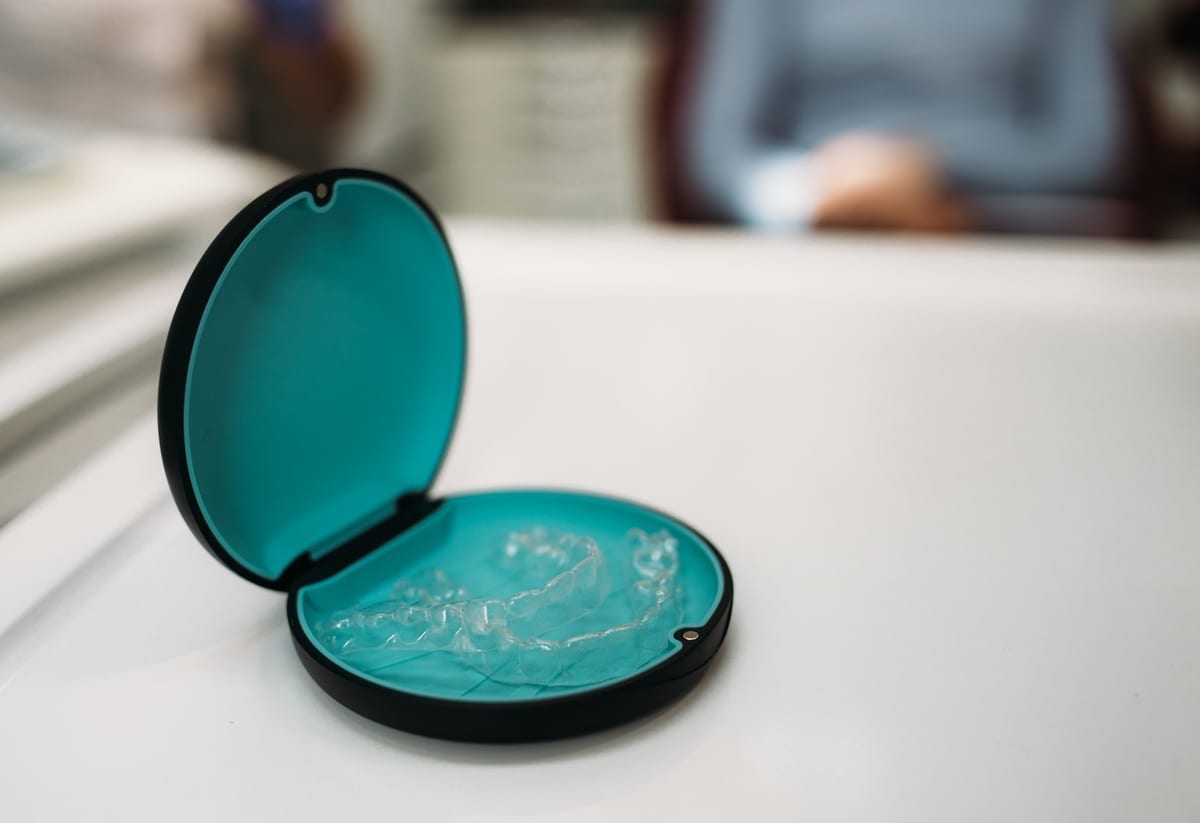
Many Charlotte patients ask us the same question: how does a clear plastic tray actually move a tooth? Understanding why Invisalign works — and the science behind each aligner change — helps you feel confident in your treatment. At Urban Family Dental, Dr. Raj Dolia walks every patient through this process before starting. When you understand the mechanics, you become a better partner in your own care.
The Biology Behind Tooth Movement
Teeth are not rigidly locked in bone. They sit in a bed of tissue called the periodontal ligament. This ligament connects each tooth root to the surrounding jawbone. When gentle, consistent pressure is applied, this tissue responds by remodeling.
On the side receiving pressure, bone cells called osteoclasts slowly break down bone. On the opposite side, osteoblasts deposit new bone to fill the space. This cycle is called bone remodeling. It is the same process that makes both Invisalign and traditional braces effective.
Each Invisalign aligner is designed to sit slightly ahead of your current tooth position. That small offset creates controlled tension. Your body interprets that tension as a signal to begin remodeling. Over roughly one to two weeks, your teeth catch up to the aligner’s shape.
Why Invisalign Works: How Each Aligner Change Moves Your Teeth in Charlotte
Your full Invisalign treatment is mapped out digitally before you ever receive your first tray. Dr. Dolia uses advanced 3D imaging software to plan every stage of movement. Each aligner in your series represents one small step in that plan.
Typically, each tray moves teeth by about 0.25 millimeters. That may sound minimal. But that precise, incremental movement is exactly what makes the system so predictable. Rushing the process would strain the periodontal ligament and slow your results.
Most patients change aligners every one to two weeks. Dr. Dolia customizes this schedule based on your individual treatment plan. Some areas of your mouth may move faster than others. That is completely normal and expected.
- Each aligner is trimmed to fit your unique gum line
- Trays are worn 20 to 22 hours per day for best results
- Removing aligners only to eat, drink, brush, and floss
- Each tray builds on the movement achieved by the previous one
- Skipping ahead in your series can disrupt tooth movement
The Role of Attachments and Precision Cuts
Some Invisalign patients notice small tooth-colored bumps on certain teeth. These are called attachments. They are made from composite resin — the same material used in dental bonding. Attachments give the aligner something to grip onto.
Without attachments, aligners can only push teeth. With them, the aligner can rotate, tip, and torque teeth more precisely. Dr. Dolia places attachments strategically based on your treatment goals. Most patients barely notice them after the first week.
Precision cuts are another built-in feature. These are small notches in the aligner that apply targeted force to specific teeth. Combined with attachments, they allow Invisalign to achieve movements that were once only possible with braces. The technology has advanced significantly over the past decade.
- Attachments help with rotations and vertical tooth movements
- Precision cuts target individual teeth without affecting neighbors
- Both features are planned digitally before trays are manufactured
- Attachments are removed at the end of treatment, leaving no marks
Understanding Refinements: When Your Plan Needs Adjusting
Even the most carefully planned treatment occasionally needs a mid-course correction. These adjustments are called refinements. A refinement is a new set of aligners made after your progress is evaluated. It is not a sign that something went wrong.
Teeth sometimes move slightly differently than predicted. Biology varies from person to person. Refinements simply recalibrate the plan to match your actual progress. They are a standard and expected part of the Invisalign process.
Dr. Dolia monitors your progress at every check-in appointment. He compares your actual tooth positions to the original digital plan. If a refinement is needed, new scans are taken and fresh aligners are ordered. Most patients require at least one refinement cycle.
Refinements are also used to fine-tune small details at the end of treatment. You may have completed 95% of your tooth movement beautifully. A short refinement series can perfect that final 5%. This attention to detail is what separates a good result from a great one.
Retainers: Locking in Your Results Long-Term
Once your final aligner is complete, your teeth need time to stabilize. The bone around your teeth is still in a soft, remodeling state right after treatment. This is why retainers are not optional — they are essential.
Without a retainer, teeth will drift back toward their original positions. This process is called relapse. It can begin within days of stopping aligner wear. Dr. Dolia provides detailed retainer instructions to every patient who completes treatment.
Most patients wear retainers full-time for the first several months. After that, nighttime wear is typically sufficient. Consistent retainer use protects the investment you made in your smile. Think of your retainer as the final phase of your Invisalign treatment — not an afterthought.
At Urban Family Dental, we also offer services like Cosmetic Dentistry to complement your Invisalign results. From whitening to veneers, finishing touches can make your new smile truly shine.
Is Invisalign Right for You? What Charlotte Patients Should Know
Invisalign treats a wide range of orthodontic issues. These include crowding, spacing, overbites, underbites, and crossbites. However, not every case is a good candidate. Severe skeletal issues may still require traditional orthodontics or surgery.
The best way to find out if Invisalign fits your needs is a consultation with Dr. Dolia. He will review your bite, bone structure, and smile goals. From there, he can give you an honest assessment and a realistic treatment timeline.
Urban Family Dental is proud to serve Charlotte families with comprehensive care. Whether you are exploring orthodontic options or looking for routine Family Dentistry services, our team is here to guide you. We believe education leads to better decisions and better smiles.
If you are ready to understand exactly how Invisalign can transform your smile, we encourage you to take the next step. Book Now to schedule your appointment with our team.
Frequently Asked Questions
How often should I change my Invisalign aligners?
Most patients change aligners every one to two weeks. Dr. Dolia will determine your specific schedule based on your treatment plan. Changing too early or too late can affect how well your teeth respond. Always follow the schedule your dentist provides.
Why do some Invisalign patients need attachments?
Attachments are small tooth-colored bumps bonded to specific teeth. They give the aligner additional grip to perform more complex movements like rotations and tilts. Not every patient needs them. Dr. Dolia determines attachment placement during your digital treatment planning.
What happens if I skip an aligner in my series?
Skipping an aligner means your teeth will not have completed the movement that tray was designed to achieve. The next aligner may not fit properly, which can slow or disrupt your progress. Always wear each aligner in order for the prescribed amount of time.
What are Invisalign refinements and are they common?
Refinements are additional sets of aligners created mid-treatment or at the end to fine-tune tooth positions. They are very common and are a normal part of the Invisalign process. They simply recalibrate your plan to match how your teeth actually moved. Most patients need at least one round of refinements.
How long do I need to wear my retainer after Invisalign?
Dr. Dolia typically recommends full-time retainer wear for the first few months after treatment. After that, nighttime wear is usually sufficient to maintain your results. Skipping retainer use can lead to relapse, where teeth drift back toward their original positions. Consistent retainer habits protect your investment long-term.

By Urban Family Dental

New patients and emergency appointments welcome