3210 Wilkinson Blvd, Ste. B-2, Charlotte, NC 28208

Caring for Your Dentures: Essential Tips for Longevity and Comfort

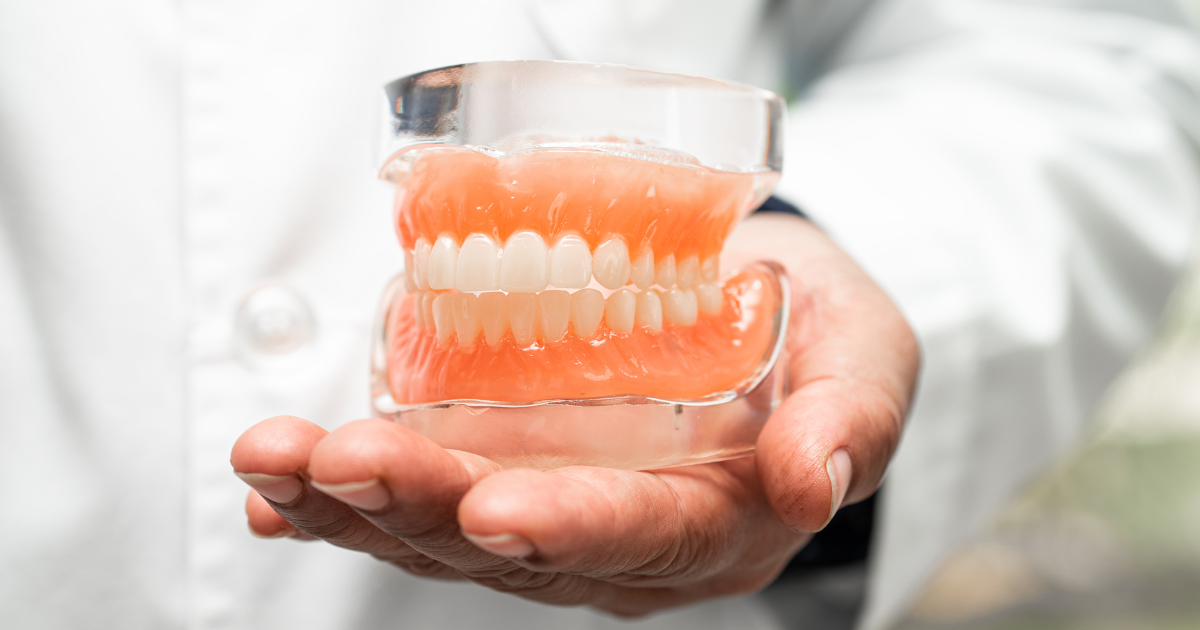
Dentures provide a convenient and effective solution for replacing missing teeth, allowing you to enjoy your favorite foods, speak clearly, and maintain a natural-looking smile.
However, to keep your dentures in good shape and ensure they continue to offer the best fit and function, proper denture aftercare is crucial. In this guide, we’ll share essential tips for keeping your dentures comfortable and long-lasting.
Cleaning Your Dentures Daily
One of the most important aspects of denture aftercare is cleaning them daily. Without regular cleaning, dentures can harbor bacteria, leading to infections, bad breath, and even damage to the dentures themselves. Here’s how to properly clean your dentures:
- Remove and rinse dentures after eating: Food particles can easily get stuck under your dentures. After each meal, remove your dentures and rinse them under running water to remove debris.
- Brush your dentures daily: Use a soft-bristled toothbrush and a non-abrasive denture cleaner to gently brush your dentures. Avoid using regular toothpaste as it may be too harsh and cause scratches.
- Soak dentures overnight: Most dentures need to remain moist to keep their shape. Place your dentures in a mild denture-soaking solution overnight, ensuring they stay hydrated.
- Rinse before wearing: After soaking, be sure to rinse your dentures thoroughly before putting them back in your mouth. Soaking solutions often contain chemicals that are not meant to be ingested.
Handle with Care
Dentures may seem sturdy, but they can be surprisingly fragile. To avoid damaging your dentures, it’s essential to handle them with care:
- Avoid dropping them: Dentures can crack or break if dropped on a hard surface. When cleaning or handling your dentures, stand over a soft surface like a folded towel or a basin of water.
- Be gentle when cleaning: Scrubbing too hard or using an abrasive cleaner can cause micro-scratches on your dentures, which may harbor bacteria and lead to staining.
- Don’t bend or adjust: If your dentures feel uncomfortable or don’t fit properly, resist the urge to bend or adjust them yourself. Instead, contact your dentist for a professional adjustment.
Keep Your Gums and Mouth Healthy
Caring for your dentures goes hand-in-hand with maintaining your oral health. Even though dentures replace your natural teeth, your gums, tongue, and the roof of your mouth still need attention. Here’s how to care for your mouth:
- Brush your gums and tongue daily: Use a soft-bristled toothbrush to clean your gums, tongue, and any remaining natural teeth. This helps to prevent plaque buildup, stimulate circulation, and keep your mouth feeling fresh.
- Massage your gums: Gently massaging your gums can improve blood flow and help reduce the chances of irritation or sore spots from dentures.
- Soak and clean your dentures overnight: Taking your dentures out while you sleep allows your gums to rest and prevents unnecessary pressure on your tissues.
Watch for Signs of Wear and Tear
No matter how well you care for your dentures, they won’t last forever. Over time, dentures can wear down, lose their fit, or become damaged. Be aware of the following signs that it might be time to contact your dentist:
- Loose or uncomfortable fit: As your gums and jawbone change over time, dentures may become loose, leading to discomfort or difficulty chewing. A dentist can adjust or reline your dentures for a better fit.
- Cracks or chips: Any visible damage to your dentures should be addressed immediately to prevent further issues.
- Discoloration: Stains can accumulate on dentures just like natural teeth. If regular cleaning doesn’t restore their appearance, professional cleaning may be necessary.
Denture Storage and Care When Not in Use
Proper storage is essential for maintaining the shape and integrity of your dentures. When not in use, dentures must be stored correctly to avoid drying out or becoming misshapen. Follow these tips to ensure safe denture storage:
- Always keep dentures moist: Dentures need to remain in water or a denture-soaking solution when you’re not wearing them. If left out to dry, they can lose their shape.
- Avoid hot water: Soaking dentures in hot water can warp the materials. Always use lukewarm or cool water to prevent damage.
- Use a denture case: When traveling or temporarily removing your dentures, keep them in a protective case to avoid accidental damage.
Managing Discomfort and Sore Spots
While dentures are designed for comfort, new dentures or poorly fitting ones can cause sore spots or discomfort. Here are a few strategies to manage any discomfort:
- Give your mouth time to adjust: If you’ve just received new dentures, allow a few weeks for your mouth to adapt. It’s normal to feel slight discomfort during this period, but it should subside.
- Use denture adhesive: Denture adhesives can help secure your dentures and provide additional comfort, especially if your dentures feel a little loose.
- Don’t ignore pain: Persistent pain or sores should never be ignored. Contact your dentist immediately if discomfort continues beyond the adjustment period.
Schedule Regular Dental Checkups
Even though you no longer have natural teeth, regular dental checkups are essential for maintaining your oral health and ensuring your dentures continue to fit properly. During these visits, your dentist will examine your mouth, assess the condition of your dentures, and perform any necessary adjustments.
- Relining dentures: Over time, your gums may shrink or change, leading to a loose fit. Denture relining can help restore comfort and prevent irritation.
- Checking for oral health issues: Even with dentures, your oral health is important. Your dentist will check for gum disease, oral infections, and signs of oral cancer.
- Cleaning and polishing: In addition to regular home care, professional cleaning and polishing can help remove stubborn stains and bacteria from your dentures.
Maintaining a Balanced Diet
Eating a healthy, balanced diet is crucial for overall well-being, but it’s especially important for denture wearers. Certain foods can support oral health and make it easier to adjust to wearing dentures:
- Include soft foods initially: After receiving new dentures, stick to softer foods like soups, smoothies, and scrambled eggs. Gradually introduce more textured foods as you grow comfortable.
- Chew evenly on both sides: To avoid shifting your dentures, try to distribute your chewing evenly across both sides of your mouth.
- Stay hydrated: Drinking water throughout the day helps to keep your mouth moist and prevents dry mouth, which can make wearing dentures uncomfortable.
Get Professional Assistance for Any Issues
Even with the best at-home care, there are times when you’ll need professional assistance to ensure the longevity and comfort of your dentures. Regular dental checkups, professional cleanings, and timely adjustments can make all the difference. If you encounter persistent issues or discomfort, don’t hesitate to contact your trusted local dentist for help.
At the end of the day, dentures are an investment in your smile and overall oral health. Following these essential denture aftercare tips will ensure they continue to provide you with confidence and comfort for years to come.

By Urban Family Dental
Related Articles
New patients and emergency appointments welcome